During the Christmas season of 2024, you will find that there is a common topic on the dinner table at almost all friends’ gatherings: the Liberal government led by Trudeau has brought tremendous changes to Canada after nine years in power. Trudeau made Canadians deeply understand one sentence: "The road to hell is often paved with good intentions。”
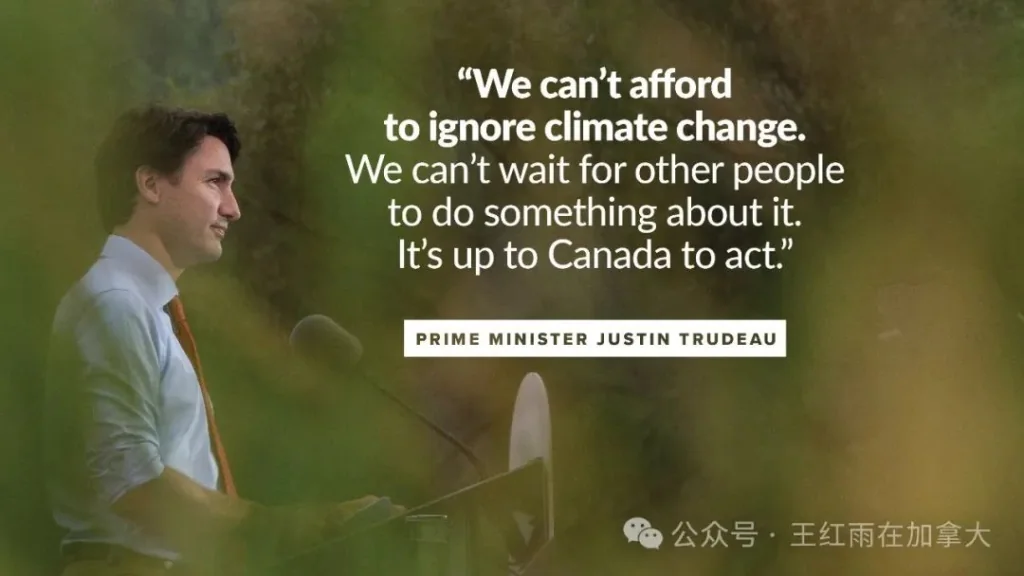
Trudeau attaches great importance to environmental protection and has imposed a carbon tax on Canada, a country with vast land, abundant resources and sparsely populated areas. As a result, oil prices have risen and the prices of all goods and services that need to be transported continue to rise.
Trudeau advocates tolerance and believes that theft and robbery are misdemeanors. The victims are losing money to avoid disasters. It is no big deal for those who have not yet been harmed to pay more property insurance premiums. The result is that everyone is in danger.
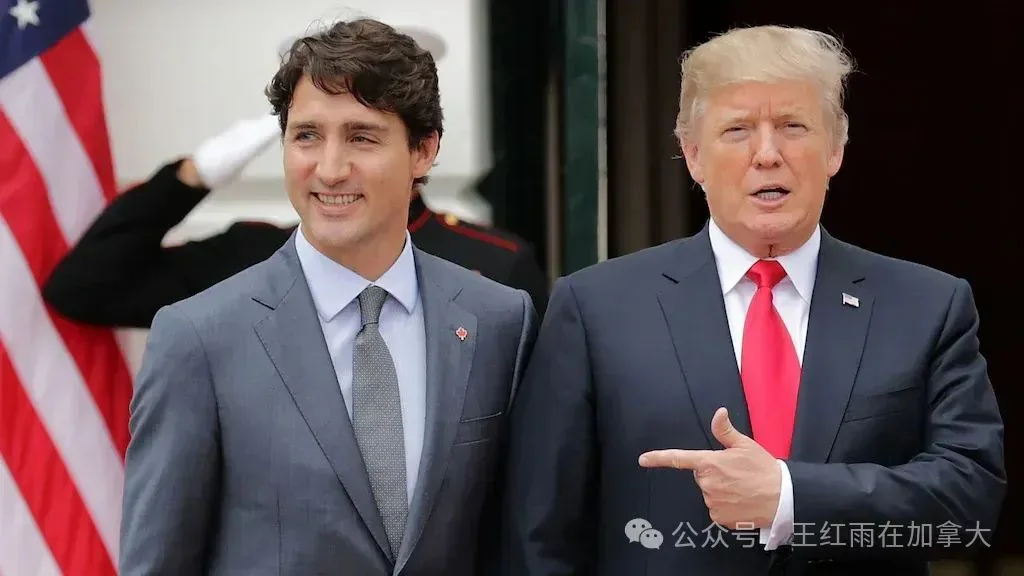
Trudeau has a philanthropic mind and opened the country wide, but the result is that human trafficking has become a hugely profitable industry. Trump, his neighbor, asked Canada to manage its borders, otherwise it will impose a 25% tariff.
Trudeau is imaginative and does not need frugality and diligence, and the government deficit will automatically balance. As a result, Canada will achieve a fiscal deficit of 61.9 billion in 2024, far exceeding the budget deficit of 40.1 billion.
Trudeau believes that the right to housing is a basic human right, and he does not hesitate to use huge subsidies to encourage developers to build low-rent housing. He firmly believes that with generous rewards, capable people will be able to build high-quality housing with a rent of 1,600 yuan in first-tier cities like Toronto. As a result, developers use subsidies to move to second-tier, third-tier and fourth-tier cities to build utopias.
Trudeau believes that wealth is dirty and money is evil, so he increased the taxable rate of capital gains from 50% to 66.7%. The result is that everyone's willingness to invest is reduced.
Trudeau attaches great importance to employment. As a result, the number of civil servants has increased from approximately 257,000 in 2015 to approximately 368,000 in 2024, an average annual growth rate of 3.6%, while Canada's average annual population growth rate during the same period was only 1.6%.
Trudeau also has many grand ideals: let Canada take the lead in achieving carbon neutrality, let people who do not work have a basic income, let the budget automatically balance, let everyone regardless of income level be able to rent a house with 30% of their income, let greedy capitalists produce and serve people for free, let everyone with empty spirits legally smoke affordable marijuana, make zero-dollar purchases become fashionable and popular... There are too many wishes, so I will omit 5,000 words here.
Voters who voted for Trudeau saw results they had never expected. The opposition party, the Conservative Party, has currently proposed a motion to hold a vote of no confidence on the carbon tax issue, which would end Trudeau's dream journey as early as the end of January 2025. Canadians don’t know how far they have to go on the road to hell paved by Trudeau’s good intentions. They just hope that 2025 will be better than 2024.
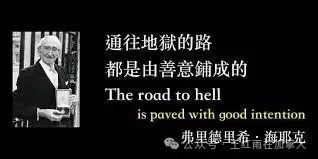
01How does the left use good intentions to make everyone feel pain?
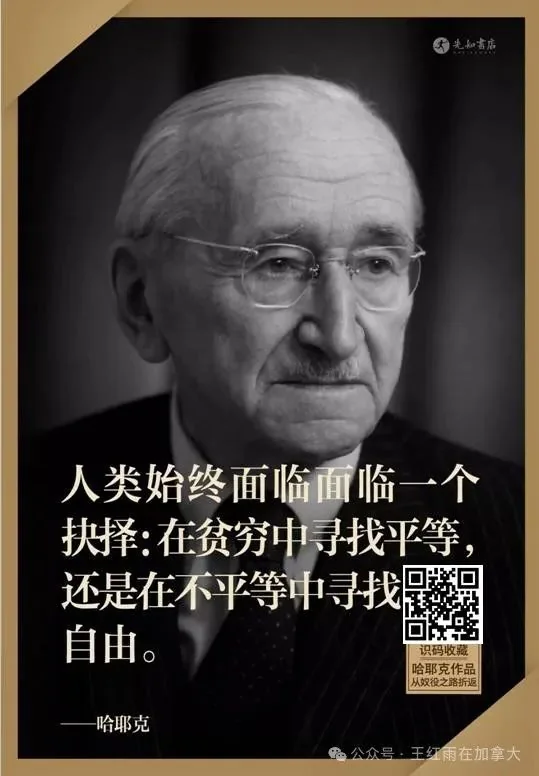
Canadian Prime Minister Trudeau is the perfect representative of left-wing ideas. Canadians generously gave him nine years to realize his political ideals, hoping to make Canadian society more just and equal, and to make everyone full of a sense of justice.Humanity has always faced a choice, to find equality in poverty or to find freedom in inequality.Trudeau's nine-year social experiment has proved that in equality, you can indeed only find poverty, not wealth.
The core values of left-wing thought are social equality, justice and progress. We hope to fight for modern labor rights such as minimum wage and occupational safety through the labor movement and trade union organizations. Promote the establishment of inclusive medical care, education, pension and other welfare systems, reducing poverty and social inequality. The left plays an important role in gender equality, LGBTQ rights, and equal rights for ethnic minorities, promoting openness and diversity in social culture. Left-wing parties and organizations often take the lead in combating climate change and promoting the green economy. The left emphasizes the combination of individual freedom and collective responsibility and wants government to play a greater role.
After the above-mentioned left-wing ideas were implemented, they were disastrous, especially in the economic aspect. The expansion of welfare has led to excessive financial burdens and weakened work motivation. In order to support redistributive policies, high taxes have resulted in negative impacts on investment and business development. Because too much emphasis is placed on class conflicts, it leads to social divisions and affects cooperation and trust between different groups. The left's focus on the rights of minority groups may lead to neglect or resentment of mainstream groups, leading to a new sense of inequality. Left-wing policies often rely on government intervention, leading to bureaucracy and inefficiency. Unfair treatment of the wealthy, those with assets, and capitalists suppresses market innovation and enterprise vitality, and hinders economic growth.
The left, economically, is the one sharing the pie, not the one who makes it. Although Canada is a wealthy country, it cannot withstand the Trudeau government's endless plundering of middle-class families for nine years. The cake maker has left and is lying flat, while those who are hungry for food continue to ask for welfare. In 2024, people who work hard find that the harder they work, the more they get taken away. Those who reach out for cakes only get crumbs, and everyone is struggling.
It’s not unusual for the left to fail economically. Venezuela is a member of OPEC and is rich in oil resources. Since it implemented the policy of common prosperity, it has now become a beggar in the world. The left believes that its enemies are capitalists, the rich, and the market economy; the left believes that money is evil and that love can be used to generate electricity. And reality proves,No one can beat the market, only the undeserving think money is evil.Through the unremitting efforts of the left, people can change their minds only when everyone can see clearly that moving to the left is unworkable.
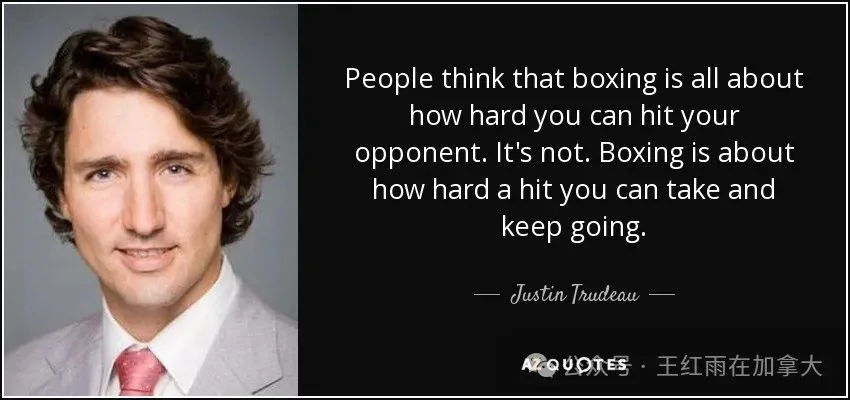
02With Trump coming to power and the return of the right, what impact will it have on Canada?
When Trump won the election, I saw many people in my circle of friends cheering. After hearing that Trump was going to impose a 25% tariff on Canada, the Trump fever subsided in my circle of friends. In fact, whoever becomes the president of the United States has little impact on Canadians. I remember that during the 2016 US election, a person told me that he would postpone his plan to buy a house because he was worried that Trump would be elected. Many years later, I learned that this man indeed bought the house after Trump left office, and he bought it at the high point of house prices in 2021.
Trump is a businessman who knows the weaknesses of his counterparties. For years, Trudeau has been viewed by Trump as a hypocrite and coward. Trump is a master negotiator and is good at weaponizing tariffs. He first finds the weaknesses and pain points of his opponents. Then he asks for prices and exerts extreme pressure to force his opponents to submit and make concessions. The Canadian government under Trudeau is full of weaknesses and has naturally become Trump's best prey. Even so, judging from Trump's first term from 2016 to 2020, Canada's real losses in tariffs are still minimal. The tariff issue is 80% a threat and only 20% actual damage.
The Trump administration imposed tariffs on Canadian softwood lumber averaging 20% in 2017, arguing that Canadian government subsidies were harming the U.S. lumber industry. This dispute has not yet been resolved and remains a sensitive topic in the economic and trade relations between the two countries.
In 2017, the U.S. Department of Commerce imposed high countervailing and anti-dumping duties on C-series aircraft exported by Canada's Bombardier, totaling nearly 300%. However, the final ruling of the World Trade Organization (WTO) did not support the U.S. position.
In 2018, the United States imposed a 25% steel import tax and a 10% aluminum import tariff on Canada. This triggered Canada to take retaliatory tariff measures and impose reciprocal tariffs on steel, aluminum and other commodities exported from the United States, such as whiskey and food. In May 2019, the United States and Canada reached an agreement. The United States canceled tariffs on Canadian steel and aluminum, and Canada also canceled retaliatory tariffs.
In 2018, Trump claimed that the North American Free Trade Agreement (NAFTA) was unfair to the United States, and promoted renegotiation with Canada and Mexico in 2018, eventually reaching the United States-Mexico-Canada Agreement (USMCA), which officially came into effect in July 2020. Although the United States and Canada have reached some compromises through the USMCA, there are still many disputes that have not been fully resolved, such as lumber tariffs and the opening of the dairy market.
Trump's version 2.0 is committed to bringing jobs back to the United States, and will inevitably adopt supply-side reform measures such as lowering corporate income taxes, lowering environmental standards, relaxing regulations, and drastically eliminating redundant government agencies. If Canada cannot keep up with the pace of the United States and cannot keep entrepreneurs and capitalists in Canada, Canada's economy will move towards a darker tomorrow. Making America greater actually means grabbing investment and job opportunities outside the United States. If Canada can be greater, Trump will choose to make deals with Canada, otherwise he will take away from Canada. Canadians can no longer tolerate a weak and incompetent Prime Minister like Trudeau who only knows how to share the cake. What Canada needs is a leader who can keep pace with the United States and move to the right together with the United States and who can make the cake. Canada’s conservative right-wing party is already on the horizon.
03Conservative, right-wing, conservatism, what does it mean?
The word "conservative" has a derogatory connotation in Chinese and is the opposite of "progressive". Do we need to remain complacent and not make progress in order to live a good life? When talking about the Conservative Party, Margaret Thatcher's name will naturally come to mind. So have conservatives and conservatives brought happiness to people in the past? Let’s use a topic that is most familiar to readers of this public account as an example. Let’s judge for ourselves whether conservatism is good or not.
In the mid-20th century, a large number of houses in the UK were owned and managed by local governments and were called "social housing" (Council Housing). This part of the housing is mainly for rent by low-income families. Thatcher believed that the public housing system created dependence on the state, hindered social class mobility, and increased the financial burden on the government. Thatcher hoped that by privatizing housing, she would promote personal responsibility, reduce government spending, and encourage society to move more towards a free market economy. Thatcher was elected Prime Minister in 1979. The following year, in 1980, the Housing Act 1980 was introduced and the "Right to Buy" program was launched. The scheme allows tenants living in social housing to buy the property they live in at a discount. Tenants’ purchase discounts are calculated based on the length of their stay, with those with the longest tenure receiving discounts of up to 60%. Millions of families became homeowners through this policy. By 1990, approximately 1 million social housing units had been sold. The total amount of public housing has been significantly reduced. This move encourages ordinary people to own properties, promotes the accumulation of family wealth, and at the same time reduces local government's housing management and maintenance costs. Thatcher believed that owning property motivated people to work harder and manage their lives.
Under the leadership of Thatcher, the British Conservative Party, following the privatization of real estate, privatized a large number of state-owned enterprises and devastated the sabotage activities of trade unions. At the same time, U.S. President Ronald Reagan was also a conservative. Under the leadership of conservatives, the two major capitalist countries achieved a great renaissance of global capitalism in the 1980s. Canada followed the social trend of the time and stopped the construction of low-rent housing in the 1980s. It was not until Trudeau came to power that large-scale construction of low-rent housing began again. The current leader of the Canadian Conservative Party, Borridge, once served as the Minister of Housing in the Harper government. Trudeau accused Borridge of building zero low-rent housing during his tenure as Housing Minister. Borridge believed that this is exactly what the Housing Minister should do.In the near future, I will make a video to briefly review2024What achievements has Canada made in housing issues in the direction pointed by Trudeau?
Right-wingers and conservatives usually emphasize maintaining cultural, religious, and social traditions, believing that these traditions are an important foundation for social stability and value systems. They value law and order and advocate maintaining social stability through a strong legal system and moral norms. Right-wing ideas usually emphasize individual responsibility and believe that an individual's success or failure mainly depends on his or her own efforts and choices. They prefer small government, oppose excessive government intervention, and advocate individual freedom and market freedom. Right-wing ideas usually support capitalism and free market economy, oppose excessive government regulation, and emphasize improving efficiency and innovation through market competition. Conservatives believe that private property rights are the cornerstone of economic prosperity and individual freedom. They tend to support traditional family values and ethical norms. Right-wingers and conservatives, generally opposed to rapid or radical social change, favoring incremental reforms or maintaining the status quo. These are the values of the right wing and conservatives. Do you agree?
04Canada in 2025Where will the annual meeting go?
At present, the economic policies of the Canadian Conservative Party are still unclear. We only know that they are seizing on the carbon tax, a pain point that has strangled the Canadian economy, and hope to ask Trudeau to step aside in advance through the carbon tax no-confidence motion. We can roughly infer what economic policies the Conservative Party will adopt if it comes to power by reviewing what the previous Conservative government Prime Minister Stephen Harper did.
Conservative Stephen Harper served as Prime Minister of Canada from 2006 to 2015. The main economic policies he implemented during his tenure are as follows:
Gradually reduce the federal sales tax (GST) from 7% to 5% to reduce the tax burden on consumers. Reduce the corporate income tax rate from 22% in 2006 to 15% in 2012 to attract investment and enhance the international competitiveness of Canadian companies. After the outbreak of the global financial crisis in 2008, it initially reacted cautiously to the crisis. However, under domestic and foreign pressure, it launched an economic stimulus plan worth CAD 40 billion in 2009, including measures such as infrastructure construction, business support, and employment promotion. After the economy recovered, austerity policies were adopted to achieve a balanced budget by reducing government spending, cutting the number of civil servants, and reducing social benefits. By 2015, the federal budget achieved a surplus of C$1.4 billion. The Harper government has signed a number of free trade agreements, including the Comprehensive Economic and Trade Agreement (CETA, for the EU) and the Trans-Pacific Partnership (TPP, which has not yet entered into force). The Harper government is committed to reducing the tax burden on small businesses and simplifying regulations to promote the development of small and medium-sized enterprises. Encourage oil sands mining and promote the construction of the "Energy East" and "Northern Gateway" oil pipelines, although these projects caused controversy and did not ultimately materialize. The Harper government strongly opposes a national carbon tax, arguing it would increase the financial burden on consumers and businesses. Harper tried hard to slow down the growth of Old Age Security (OAS) and planned to raise the receiving age from 65 to 67, but was later canceled by the Liberal Party. In the wake of the financial crisis, the Harper government tightened mortgage lending rules to reduce the risk of an overheating housing market and household debt, as well as pushing for cost-sharing in public sector pension plans, requiring employees to shoulder a higher share of contributions. Harper's economic policy emphasizes small government, free markets and tax cuts, which to a certain extent reflects the traditional economic philosophy of the Conservative Party. Attracting foreign investment through tax cuts and trade liberalization has improved Canada's economic competitiveness.and successfully achieved a balanced budget. At the same time, the Harper government's weakening of environmental policies has triggered criticism from environmental groups and the international community, and cuts in public spending and social benefits have adversely affected low-income groups.
The above policies are all necessary measures to make the cake bigger. However, making cakes must be more difficult than cake making. Can Canadians bear it? In 2024, the deepest feeling of Canadians is that they have to work more, earn less, the cost of living is higher, and the tax burden is heavier. Getting out of the big hole dug by the Liberal Party government over the past nine years cannot be accomplished overnight. However, as long as Canadians can reach a consensus and give up the pie created by Trudeau, loosen the constraints of capitalists and entrepreneurs, release space for those with brains and dare to take risks, let the market play its role, let proactive, creators, and independent-minded people get rid of the fetters of takers, dependants, and beggars, let reason defeat fantasy, and let weak people and hypocritical people stand aside, Canada will be able to escape from darkness and move toward light. Even if 2025 is still difficult, as long as the direction is correct, it is worth fighting for.
Conclusion
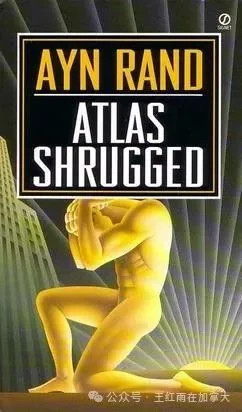
Atlas, the god of heaven in Greek mythology, was punished to carry the earth because he offended Zeus. Due to human stupidity, the harder Atlas tried, the heavier the Earth became. The Russian-American writer Ayn Rand published a philosophical novel "Atlas Shrugged" in 1957, which is currently second only to the Bible in sales in the United States. Rand fictionalized a story in which the United States promotes collectivism and hates money and entrepreneurs. The entrepreneurs in the novel are likened to Atlas. They bear the burden imposed by the greedy, the taker, the dependent, the weak, the hypocritical, and the ideologues. The harder Atlas works, the heavier the burden becomes, so Atlas With a shrug, the strike ended. The entrepreneurs burned down their copper mines, ignited the oil wells, stalled the engines, caused planes to crash and trains to derail, and finally extinguished the last lights in the city, allowing those who believed that money was evil to completely return to the most environmentally friendly and primitive state of existence. Greenspan, Trump and many other top American tycoons all claim to be Ayn Rand's followers. The return of the right wing and Trump is the return of the Atlases. The 1920s, known as the Roaring 20s, was a time when capitalists and entrepreneurs had few ties and freely unleashed their creativity and ambitions. Today, 100 years later, is the 2020s of the 21st century. I hope that with the support of artificial intelligence and the return of the right, we will not only see the greatness of the United States again, but also the greatness of all capitalist countries. The road lies at our own feet. As long as the direction is correct, I firmly believe that everyone can see a brand new Roaring 20s. I hope that everyone can personally feel that "immigration is worth it." Looking forward to 2025.
Henry Wang December 30, 2024