The Bank of Canada cut interest rates twice in June and July, and inflation continued to fall, paving the way for further interest rate cuts in September. The road to lowering interest rates in the United States has not yet begun, but Powell made it clear at the Jackson Hole meeting on August 23 that "interest rates are about to go downhill." People have been suffering from high interest rates for a long time. A mere 0.5% interest rate cut does not seem to bring much happiness to Canadians, let alone surprises. However, if interest rates continue to be cut, it will have a gradual impact on people's investments and lives. What possible changes will affect our lives on the way to interest rate cuts? What should you do after the interest rate cut cycle begins?
01 Lazy investing will end
A 4% return on investment is a watershed. If it is easy to get a return on investment higher than 4%, people will usually be selectively "lazy". For example, the annual interest rate of GIC on time deposits is 5%. People usually give up considering investments that are more complicated, riskier, and have higher returns, and instead invest their cash in time deposits. When entering the interest rate cut channel, after the time deposit certificate expires, it will be difficult to find a high-return time deposit interest rate. Therefore, lazy investment is unsustainable in the interest rate cut channel. In addition, people's shift to time deposits began when interest rates continued to rise in the second half of 2022. If you invest in the S&P 500 index fund during that period, the current return is 40%. It can be seen that the opportunity cost of lazy time deposits is very large. When people's time deposits mature, they will realize their potential losses in the past two years, and find that they can't afford the high-level hardships. Investments that don't need to use their brains can provide returns that are just right for this carelessness.
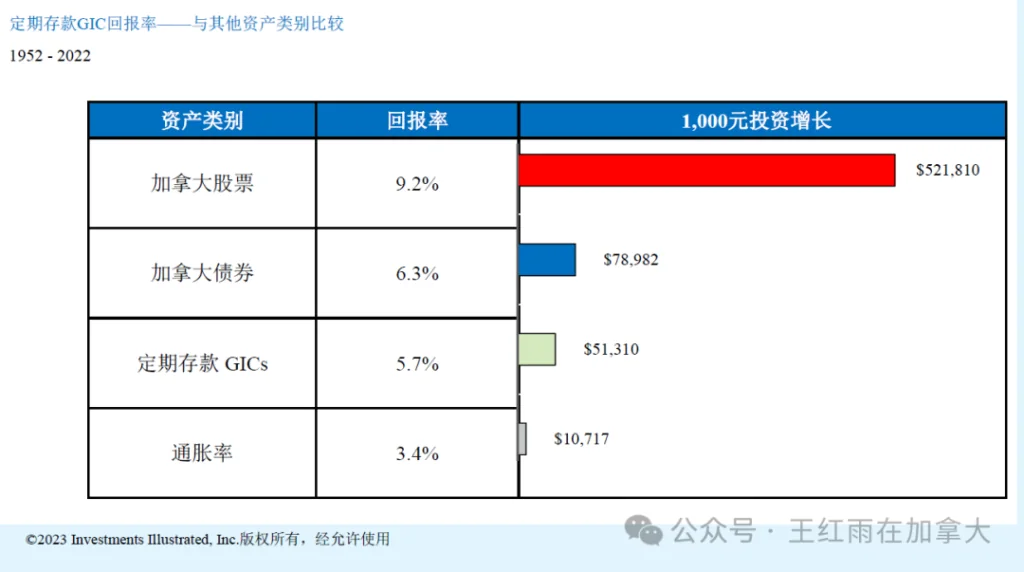
In the interest rate cut channel, in addition to time deposits, the income of money market funds will also drop significantly. From the two cash pools of time deposits and money market funds, a large amount of funds will be released to look for investment opportunities in the capital market and real estate market, or to repay debts. The safest place for cash should be to repay consumer loans. It is recommended to speed up the repayment of home loans, regardless of whether the interest rate on home loans is high or low.Debt that generates income, such as an investment home loan, does not require accelerated repayments.Investing in the capital market, whether it is stocks or bonds, currently carries high risks. Stock prices have continued to rise in the past two years without a major correction; bond prices will gradually rise, which is beneficial to investors who already hold bonds, but there is limited room to rise if they are chasing the rise now.
Cash is becoming more and more hot, not more and more popular, and the good days of winning will be ended by interest rate cuts.
02 Interest rate cuts and asset prices
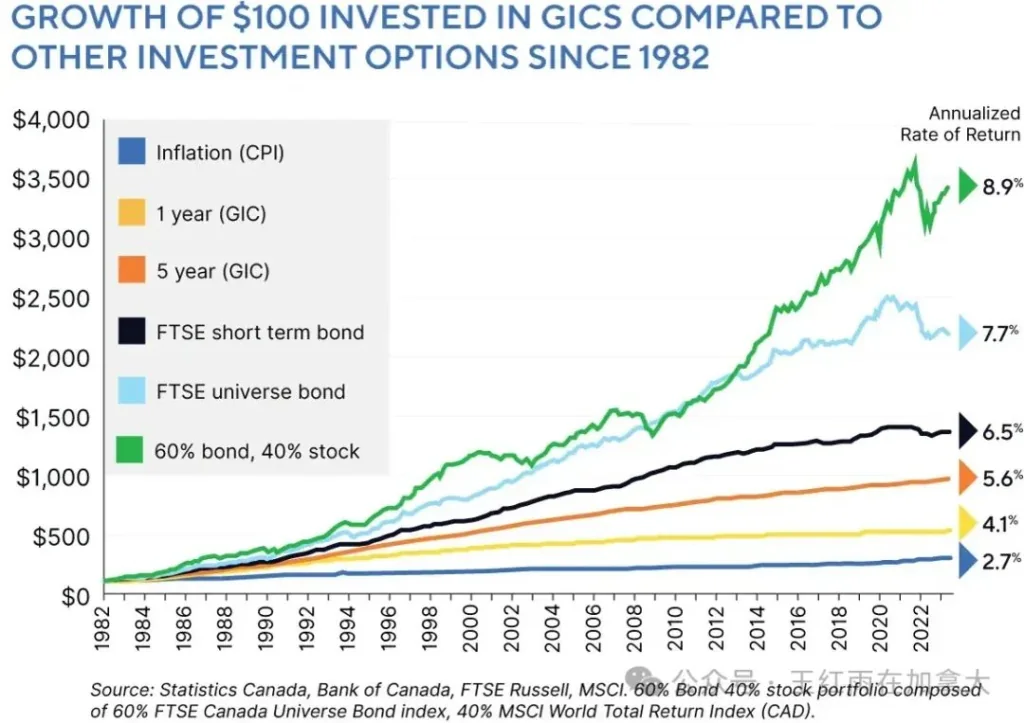
Properties that can bring an income stream to investors are assets, so self-owned housing is not an asset in the sense of investment; but investment properties, stocks and bonds that can bring an income stream are assets in the sense of investment. The return on investment, in addition to future income streams, is the increase in wealth resulting from asset valuation.The present value of an asset is equal to the discounted value of future income streams. The lower the discount rate, the higher the present value of the asset.An interest rate cut means that the risk-free interest rate decreases and the discount rate decreases. Even if future cash flows do not increase, the present value of assets will increase. "Discounted cash flow" discounted cash flow (DCF) is the most important asset valuation method. Entering the channel of interest rate cuts means that the valuations of real estate, stocks, and bonds will increase, which will be in a favorable position for investors who plan to cash out and settle down. However, for investors with short positions, whether to enter now is a question.

An interest rate cut means that the yield on newly issued bonds will decrease, causing the face value of already issued high-yield bonds to increase, because the price of the bond is inversely proportional to the bond yield. As interest rates continue to fall, bond prices will continue to rise. Judging from the situation in the past two years, investors rushed into the bond market many times to hunt for gold in anticipation of interest rate cuts, but all failed. Currently, many investors are trapped in the bond market. Because there is a huge amount of funds looking forward to an early unwinding, interest rate cuts may be a slow process to restore bond prices. The decline in bond yields brought about by interest rate cuts is good news for fixed interest rates on mortgage loans. We will see fixed interest rates on mortgage loans continue to decline slowly, and the pressure on borrowers to renew due in the future will gradually weaken, and the "mortgage renewal cliff" situation will be eased.
The valuation of stocks is very sensitive to interest rates because when the stock market values a company, it often uses the DCF model, which is the discounted cash flow method. The principle of DCF, simply put, is how much a company is worth. You can look at two indicators, one is the company's future cash flow, and the other is the discount rate. The discount rate is generally calculated from the central bank's risk-free interest rate. Assuming that the cash flow that the company can earn in the future is fixed, the higher the discount rate, the less the current value will be. On the contrary, the lower the discount rate, the higher the current value of the money the company will earn in the future. Therefore, the central bank's interest rate cut may help to increase the overall valuation of the stock market. Although the central bank's interest rate cut is beneficial to the stock market as a whole, the benefits of interest rate cuts are different for different sectors. Based on historical experience, small-cap stocks and cyclical stocks may have greater potential opportunities in interest rate cutting cycles. Rate cuts may have a greater impact on small-cap stocks than large-cap stocks. Because small companies tend to rely more on short-term debt, interest rate cuts will greatly reduce the burden on small companies. Generally speaking, cyclical stocks are more sensitive to interest rates. Falling interest rates are more beneficial to the operations of cyclical stocks, which may increase profitability. These cyclical sectors include technology, consumer discretionary, real estate and financials.
Gold does not produce gold, and there is no interest in buying gold. Therefore, the price of gold will be suppressed during the interest rate hike channel. In the interest rate cut channel, gold prices will be boosted. If the United States begins to cut interest rates and the risk-free interest rate in the United States declines, a large amount of U.S. dollar funds may flow out of the United States, driving the decline of the U.S. dollar index. Since gold is priced in U.S. dollars, if the U.S. dollar falls, the price of gold is likely to rise. The main function of gold is still a safe haven. The more turbulent the international situation is, the more valuable gold becomes. Interest rate cuts are only one of the factors driving the rise in gold prices. The actual level of gold prices mainly depends on the international situation, so it is difficult to predict.
When the interest rate cuts begin, it is the last train to lower housing prices.Homeowners are even less willing to sell their properties when rents rise and loan costs fall. Sellers who were originally prepared to cash out and leave may change their minds at any time and withdraw their properties from the market, thereby breaking the current stalemate in the wait-and-see period. The principle of house price valuation is the same as that of stock valuation. They both follow the DCF method. House price is equal to future rent divided by the discount rate. An interest rate cut means that the discount rate gradually decreases, the denominator becomes smaller and smaller, and house prices become higher and higher.
03 Can interest rate cuts be sustained?
After the interest rate cut on June 5 this year, I asserted on multiple occasions that interest rates would continue to be cut on July 24. At an event I attended on June 18, I expressed my opinion again, and a colleague came over to make a bet with me. I immediately announced, "You win." After many guesses about the central bank's moves, I came to my own understanding of when to trust the words of the central bank governor and when not to. Now, the central banks of Canada and the United States are saying they will cut interest rates, which is credible.
When describing the central bank's stance, people often use the terms "dovish" and "hawkish" to describe the tendency to cut or raise interest rates. "Doves" focus on controlling the unemployment rate and advocate cutting interest rates; "hawks" focus on stabilizing the purchasing power of money and advocate raising interest rates. When unemployment rises, pigeons rule. If you look at the current employment situation in Canada, you will know that the eagle has finished its mission and has flown away.
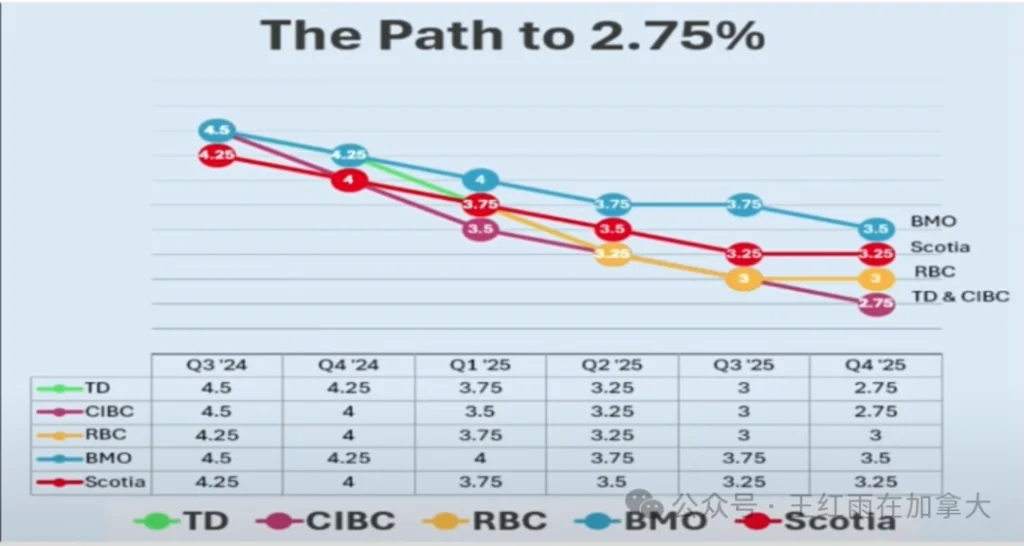
Canada's unemployment rate is a long story, not only related to immigration policy, but also related to labor productivity. The use of cheap foreign labor and reduction of investment by enterprises have aggravated unemployment. In addition, the central bank excessively raised interest rates twice last year, causing the current unemployment rate to exceed the central bank's target. The Bank of Canada should raise interest rates when the inflation rate exceeds 2% and cut interest rates when the unemployment rate exceeds 6%, neither of which the Bank of Canada has done. When the interest rate was first cut in June, Canada's unemployment rate was already 6.4%. Whether the current rate cut can control the current unemployment rate is still a big question mark. I personally believe that the Bank of Canada should continue to cut interest rates until the unemployment rate drops back to 6%, so the interest rate cuts will continue for a certain period of time. Currently, major commercial banks predict that the Bank of Canada will continue to cut interest rates. By the fourth quarter of 2025, the central bank's interest rates will drop to a neutral interest rate level of 2.75%-3%.
04 How to act?
The last interest rate cut occurred during the epidemic. At the end of March 2020, interest rates fell to the bottom and could not be lowered. At that time, people's response to the interest rate cut was as slow as it is now. It was not until July 2020 that those who dared to eat crabs began to buy real estate, pushing up housing prices in the Greater Toronto Area by 46% in about a year and a half. After interest rates began to be raised in March 2022, house prices fell for nine consecutive months, and it was not until the end of the year that they stopped falling and stabilized. House prices in the Greater Toronto Area fell by about 18%. After that, house prices have remained at the current level. In the second half of 2020, the average house price in the Greater Toronto Area was 880,000, rising all the way to 1.28 million in February 2022, then falling to 1.05 million, and currently stabilizing at 1.1 million. It can be seen that families who seize the opportunity of interest rate cuts during the interest rate cut period will eventually see their property net worth increase significantly. In the second half of 2022, time deposit interest rates continued to rise, and many people sold funds and transferred their money to time deposit certificates. The S&P 500 Index has risen by 40% from the second half of 2022 to now. From this we can see that in response to changes in interest rates, people who stay flat or run in the wrong direction not only fail to win, but also lose huge opportunity costs. The growth of household net worth lags behind households that respond correctly to changes in interest rates. The cost of being lazy and lying down is not only caused by economic ups and downs, but also determined by adaptability and mobility. In the industrial age, the income gap between people was not large, and economic fluctuations were not as frequent as they are now. Working for one employer throughout your life, and staying the same in response to changes, did not cost much. After entering the information age, the income gap has widened, the gap between rich and poor is even greater, economic fluctuations are more frequent, and the cost of laziness and idleness is much greater than it was 30 years ago.
How to act? First, we need to classify household savings.Long-term funds are used for long-term investments and short-term funds are used for emergencies.Secondly, choose assets that you understand well to invest. If you cannot clearly see the underlying assets, it is better not to invest than to invest randomly. Real estate is an asset that is clear at a glance, and other investment targets require a longer learning curve; finally, balance cash flow and do not let investment reduce the quality of life.
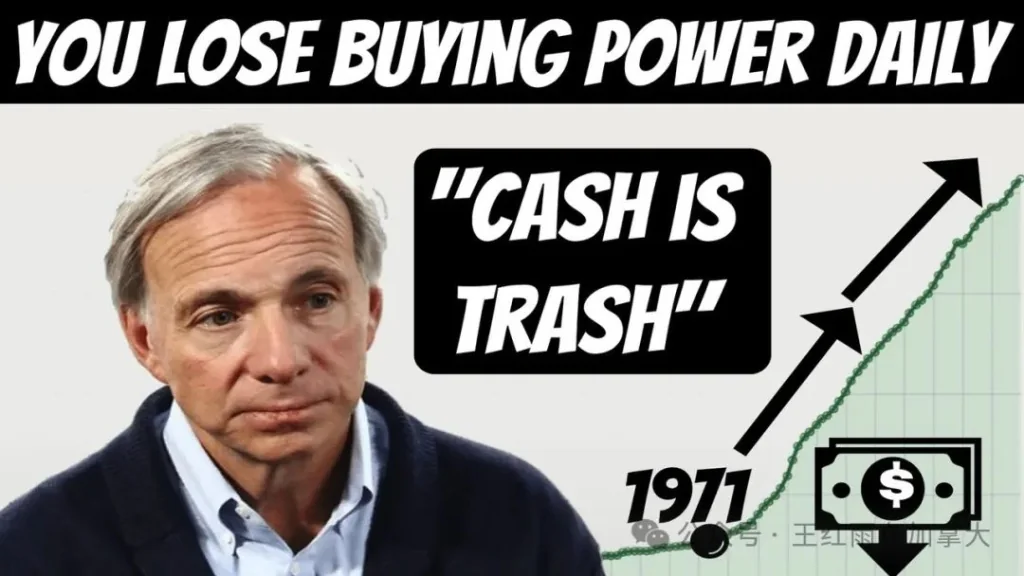
When interest rates are high, people will become more impatient, pay more attention to short-term cash flow, pay more attention to immediate consumption costs, and ignore the return on long-term investment. Irving Fisher defined interest rates 100 years ago, "Interest rates are people's level of intolerance". The higher the interest rate, the less willing people are to delay gratification and the less they consider the future. In the past two years, people have been obsessed with cash flow problems. Most people are still in a locked-in state and have no time to consider the longer-term future. This is due to human nature, and there are only a few people who can break free from the shackles of human nature. Interest rate cuts will loosen everyone's finances and spirit. Whether active or passive, people will gradually start to care about the longer-term future. It is recommended that everyone separate their funds into long-term funds and short-term funds, and In the interest rate cut channel, try to build a long-term investment portfolio, mainly focusing on real estate and stock indexes. The valuation of real estate trust funds REITs will also increase as interest rates drop, which is worthy of attention. The interest rate cut will increase the valuation of ownership assets, but the increase will not be too large before the end of the balance sheet. Investors need to be patient. Buying stocks is also collecting rent. Even if the rent remains unchanged, you can make a profit if the buying price is high. If the rent is expected to continue to rise, the buying price is high, and there is investment value.Buying early and waiting for more people to discover the value of investment is the dividend of being a first mover.If house prices remain unchanged or fall, if rents continue to rise, house prices will resume rising sooner or later because yields are increasing, gradually attracting investors.
For high-level suffering, half a lifetime is enough; for low-level suffering, even two lifetimes may not be enough.During the epidemic, there were many news about the closure of long-established restaurants, and people lamented that these businesses that had lasted for two generations had just gone to zero. Frying vegetables one after another, the money earned is indeed very hard, and it lasts two lifetimes. But this is low-level suffering, even if you eat it for two lifetimes, you won’t be full. There is a movie I recommend everyone to watch, "The Entrepreneur", which talks about the management of McDonald's. There is only one successful restaurant in the world, and that is McDonald's. The revenue record from selling hamburgers is used to support loans to buy real estate. It can be said that McDonald's is engaged in real estate, not selling burgers.Investment requires high-level hardships, learning and practice, maintaining leverage for a long time without breaking, maintaining compound interest without interruption, ambitious goals, decisiveness and action, and paying enough taxes.If the money earned from working or opening a restaurant cannot be converted into assets that bring passive income, you will have to work for a lifetime, or even two lifetimes. If you want to use passive income to support the rest of your life, you must learn to invest.High-level hardship is enough for half a lifetime. Therefore, investment is the last job for everyone.No matter how high the income is, if it cannot be sustained, it is not worthy of envy; no matter how high the active income is, as long as there is no passive income, you have to keep working.

Conclusion
The U.S. election has attracted the attention of the whole world. This year’s election is particularly rich, and the vice-presidential candidate who was originally an auxiliary material is also very eye-catching. There are two vice presidential candidates, one born in the 1960s and the other born in the 1980s; one does not even own his own home, and the other has a net worth of nearly 10 million.Everyone's perspective on the world is determined by the height of the assets at their feet.Not only in the United States, but also in Canada, the degree of political polarization has become quite serious. Not only can it not be bridged, but it will also drift apart. The logic behind this is the polarization between rich and poor. If you didn't go into politics, but lived an ordinary life, would you like to live the life of Waltz or the life of Vance? In the information age, being indifferent to information and maintaining an unchanged life means going backwards. I don’t have much specific advice for you, but I know that responding to changes is the way to live a positive life. Learning to invest should start with investing, Learning by Doing.