Interest rates are at the top of the mountain, the number of job vacancies is falling, GDP per capita has been experiencing negative growth for five consecutive quarters, the number of second-hand housing transactions in Greater Toronto in 2023 is half of that in 2021, and rents are still rising... Living in Canada today, everyone will feel more or less pressure. The year 2023 is about to pass, and every family has been taught a macroeconomics lesson. Regardless of whether they understand it or learn it, the class is over.
We Chinese like to look at problems from a macro perspective and like grand narratives. Liu Run’s New Year’s Eve speech this year started with the Cambrian Explosion. No matter how grand your vision is, you still have to face practical problems and make family decisions based on your own small environment. "Real estate winter", "economic recession" and "darkest moment" are used by many people to describe Canada's current macro-environment, thinking that Canada's current environment is terrible. Is this really the case? Although my vision is limited, I still want to use all my strength to do my best to take a macro view and briefly analyze the current Canadian macro environment and the Canadian macro environment we will face in 2024.
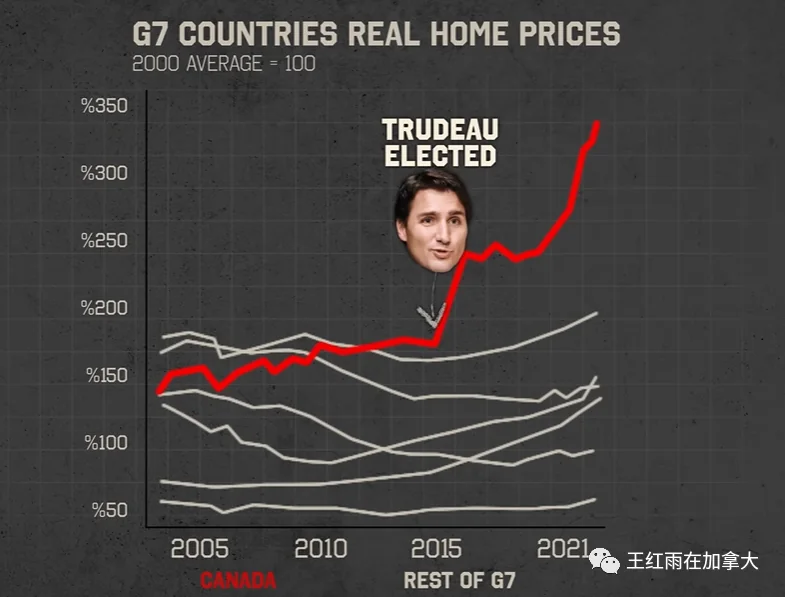
01 Canada’s macro environment
The macro environment, simply put, is the general environment determined by the country's monetary policy, fiscal policy, immigration policy, and housing policies.
Let’s look at monetary policy first. According to the authorization given by the Canadian Parliament to the Bank of Canada, the work of the central bank has two goals: 1. To maintain the stability of currency value; 2. To promote employment. After the epidemic, monetary policy exceeded its goal of promoting employment, but the work of maintaining currency stability was in a mess. Since the Canadian economy is highly dependent on the United States, Canada's monetary policy copied and pasted that of the United States after the epidemic: first, it tolerated the spread of inflation, and the prices of goods from A to Z increased one by one. The more widespread the spread, the harder it was to control. Commenting on Powell's monetary policy, Bernanke said that Powell overturned the traditional approach of previous Fed chairmen to take precautionary interest rate increases in the early stages of inflation, and instead adopted a new policy framework that must see economic data before acting. Looking back, this new approach was quite a failure. However, Powell can correct his mistakes and correct them. When announcing the decision of the interest rate meeting on December 13, he stated that it would be too late to cut interest rates until the inflation rate drops to the target 2%, so a rate cut will be considered in 2024. Wall Street thought that the Fed Chairman would be tough-talking for at least half a year before he would consider raising interest rates. After the Fed Chairman made his statement, both the stock and bond markets started a carnival. On the contrary, the Governor of the Bank of Canada still insisted on being tough in his last public speech of the year on December 15, saying that it was too early to discuss cutting interest rates. Observers of Canadian financial markets believe that time is running out for the Bank of Canada to be tough. My personal opinion is: Canada's decision to cut interest rates depends on unemployment and political pressure. If Canada's unemployment rate reaches between 6.5% and 7%, the central bank's work in promoting employment needs to start. If support for the Trudeau government continues to slide, it may pressure the central bank to cut interest rates before the unemployment rate rises significantly. The United States and Canada may take preventive measures when the employment situation deteriorates. Such preventive measures usually involve cutting interest rates three times, each time by 0.25%. Preventive measures and policy shifts are different. If a major crisis event occurs, such as an epidemic or financial crisis,Monetary policy will shift, manifested by significant and multiple interest rate cuts. A precautionary interest rate cut is most likely in 2024, and a shift in monetary policy is unlikely. We cannot confuse the desire to cut interest rates with the prediction of interest rate cuts. I know that everyone’s desire to cut interest rates is particularly strong, butSubjective desires often cause us to overestimate the likelihood that the results we want will occur.. It is difficult to determine the number and magnitude of Canada's interest rate cuts in 2024. Don't set your expectations too high. The Bank of Canada is currently more than halfway through its balance sheet reduction process. Before the epidemic, the central bank's asset balance was 130 billion. After buying 440 billion bonds, it reached an asset balance of 570 billion. The current balance is 330 billion, and the balance sheet has been reduced by 240 billion. There is still a gap of 20 billion from the pre-epidemic level, and the balance sheet is expected to be completed in 2024.
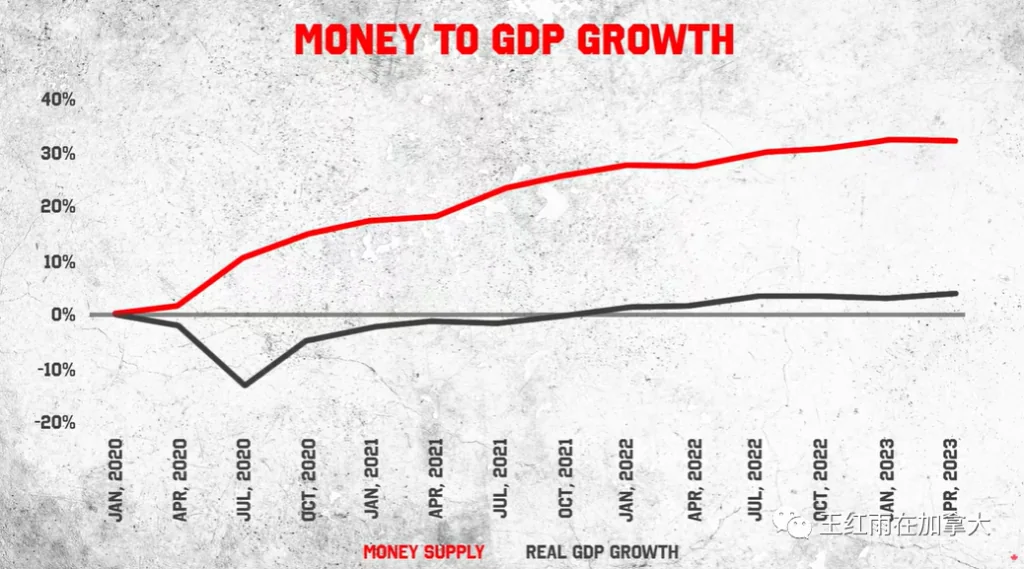
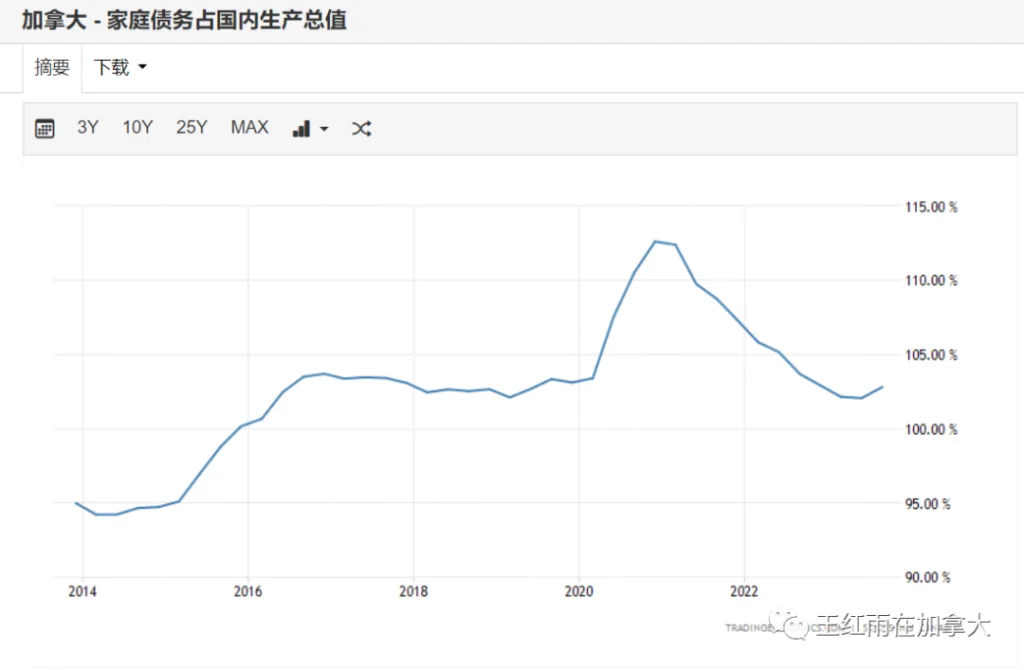
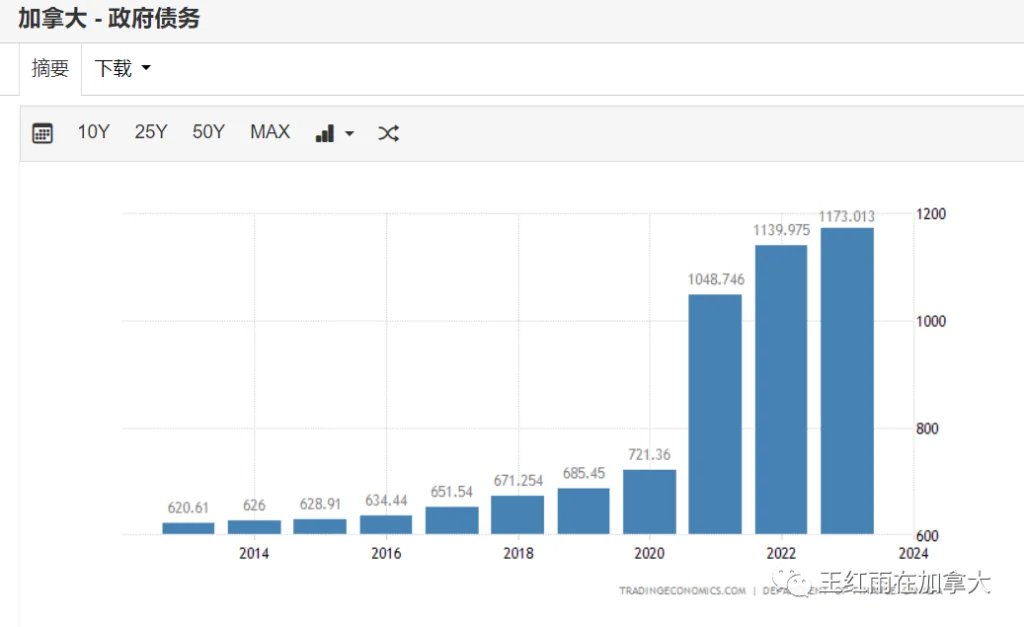
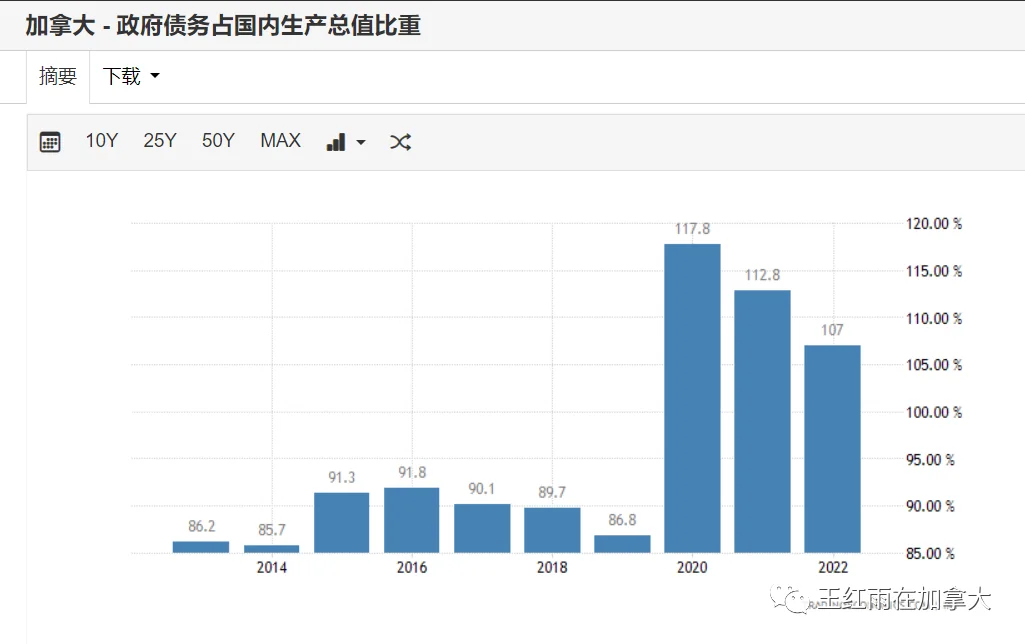
In terms of fiscal policy, the current Canadian government debt is 117.3 billion, compared with 72.1 billion before the epidemic, it is in a state of high debt. Government debt accounts for 107% of GDP, down 10% from the peak of 117% in 2020. The ratio of household debt to GDP is 103%, which is also down 10% from the peak of 113% in 2020.Canadian government and residents in the pastThe past two years have been in a period of deleveraging.The U.S. household debt-to-GDP ratio is 74%, and the government debt-to-GDP ratio is 129%. The ratio of the sum of household and government debt in Canada to GDP is 210%, which is similar to the ratio of the sum of household and government debt in the United States to GDP of 203%, except that the debt ratio of Canadian residents is larger. This is because Canadian housing prices are more expensive. The Canadian Finance Ministry announced next year's spending budget at the end of November, and there were no unexpected large-scale expenditures. The governor of the central bank welcomed this and believed that this was a positive manifestation of the Ministry of Finance's cooperation with the actions to reduce inflation.
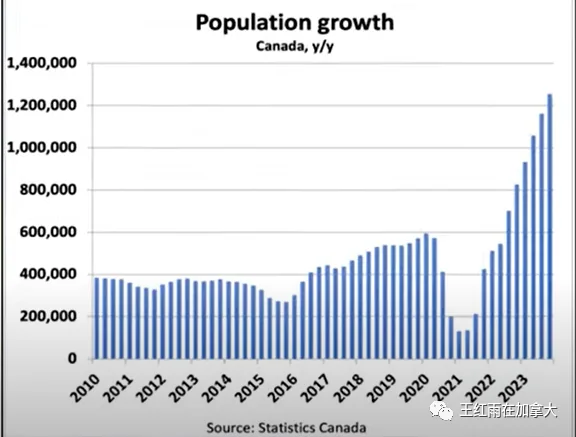
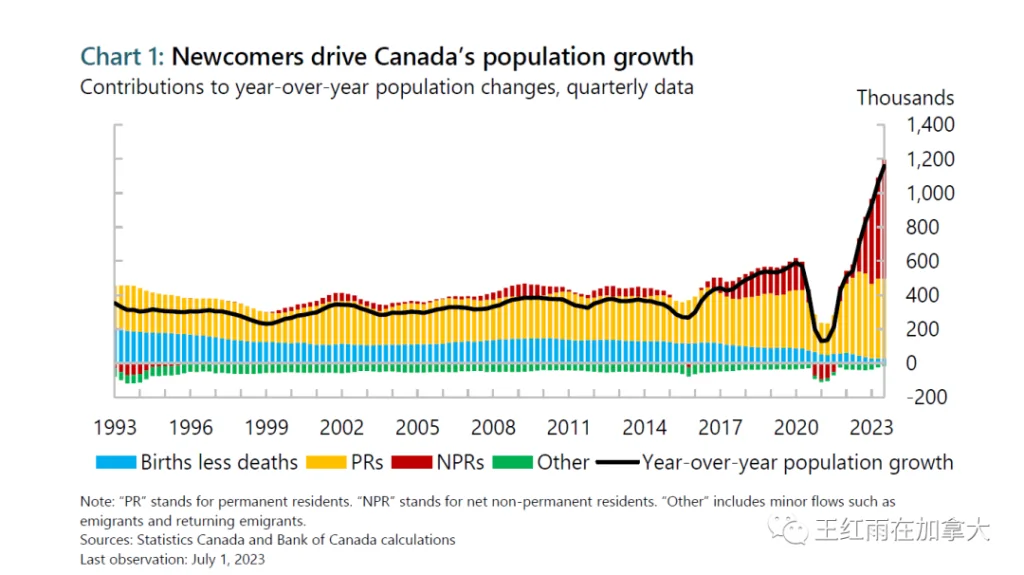
The immigration policy still insists that new immigrants account for 1.3% of the total population, that is, 500,000 people. However, the inflow of non-residents will exceed that of new immigrants in 2023, reaching more than 600,000 people. Including the newly born population, the new population in 2023 will be as high as nearly 1.2 million. Created a record high.
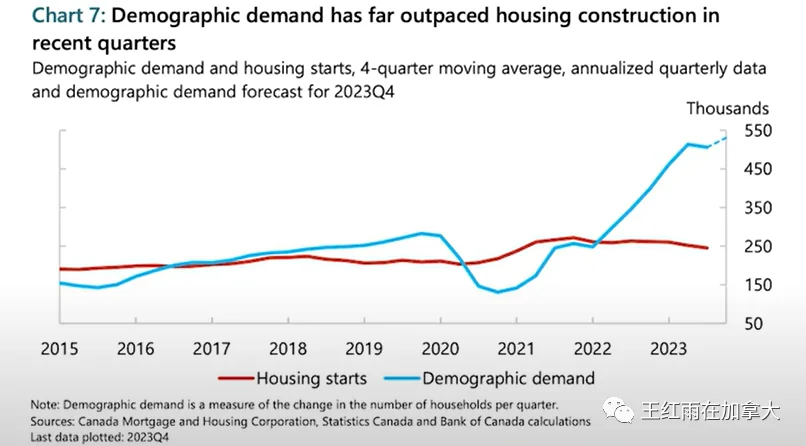
Housing policy, very aggressively, is trying to keep up with population growth. In the past eight years, the average number of new housing starts was 250,000, and the number of completions was 220,000. This year, the number of starts is 270,000. Despite unfavorable factors such as high interest rates, the government has still proposed some stimulus measures to encourage housing construction, especially the construction of multi-unit properties specifically for rental.
The misery index can be understood as the inflation rate plus the unemployment rate.In 2023, Canadians generally feel that life is stressful and the pain index is high, mainly because the inflation rate is too high. When the unemployment rate is high, some families suffer; when the inflation rate is high, the entire family suffers. The traditional definition of economic recession refers to high unemployment and negative GPD growth. From last year to this year, Canada did not experience an economic recession. Even if a slight recession occurs in 2024, the central bank may use monetary policy to prevent and prevent it. In short, the macroeconomic situation is not as serious as people moan. However, the pain people feel in life will continue for a period of time due to debt deflation, which will last for about half a year. The term "debt deflation" was coined by Irving Fisher during the Great Depression, which refers to the phenomenon in which households with heavy debt burdens are forced to reduce consumption levels. Since raising interest rates, the Bank of Canada has deliberately aimed to cause debt-induced deflation among households with deep debts to offset the excessive consumption of households without debts. It seems to have achieved results, with inflation falling substantially in the 16th month after reaching its peak. Many people confuse their pain index with the economic recession. In fact, Canada's overall economic environment is not bad, but families with deep debts feel very bad.
02 Meso-level environment for real estate investment
Closely related to real estate investment is the meso-level environment, including the ability to buy a house, the ability to hold a house, demographic structure, employment rate, mortgage interest rates, and credit policies.
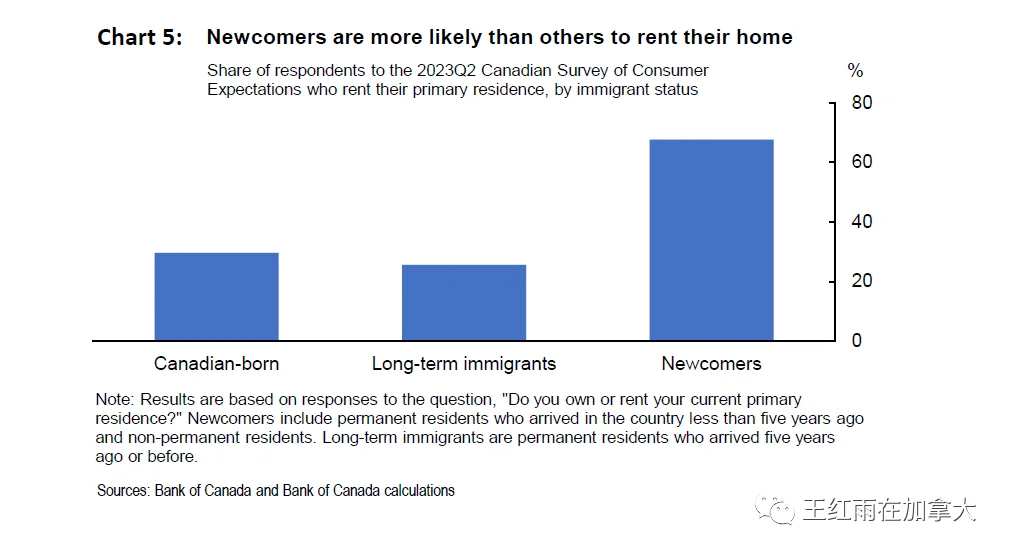
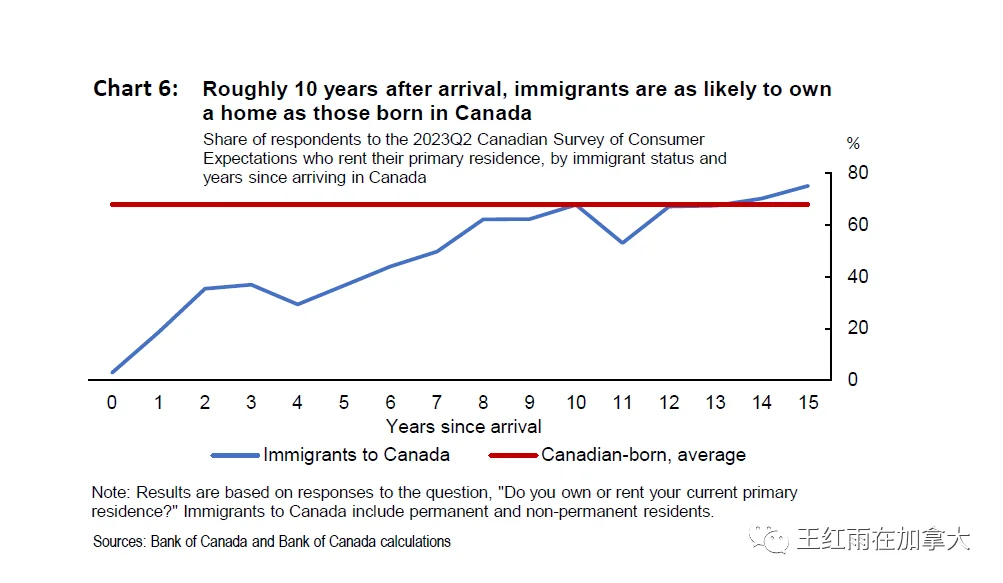
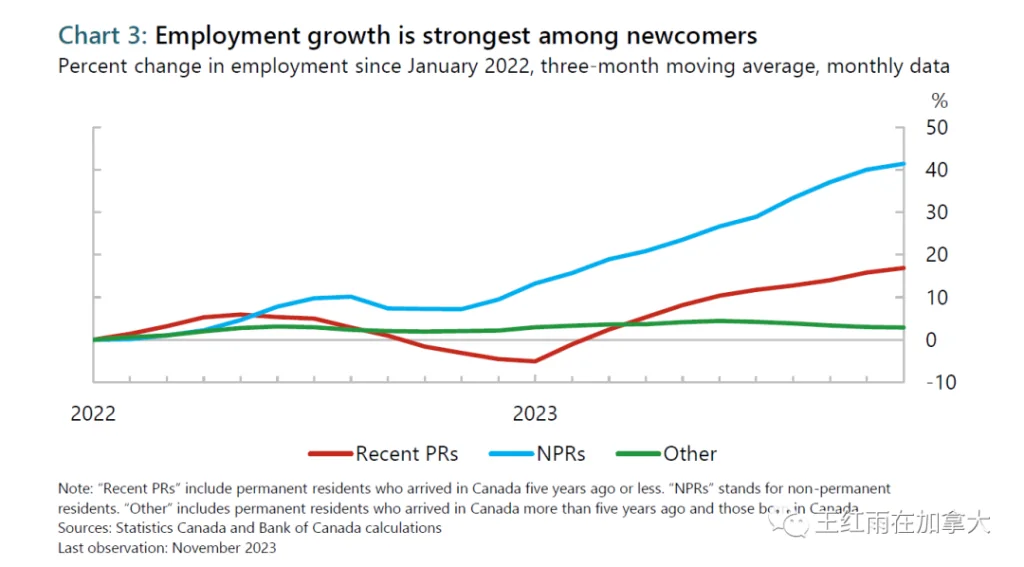
It is obvious to all that Canada’s population is growing rapidly. According to data from the Bank of Canada, the proportion of renters among the new population is as high as 70%, while the national average rental proportion is only 35%. Most of the new population live in renters. In the 5th year after landing, the proportion of buying a house can reach 40%. After the 9th year after landing, the proportion of buying a house reaches the national average of 65%. After 15 years of landing, the proportion of buying a house reaches about 80%. The new population is still very hardworking in buying a house. The new population has a huge impact on rents. In the past five years, Canadian rents have increased by 66%, while house prices have increased by only 36.4%. Population and new housing growth are out of sync, turning an already housing tight situation into a housing crisis.
In terms of housing policy, the Canadian federal government started this year to encourage institutional investors to build properties specifically for rental. The method is very straightforward: if the houses built by developers are for rent rather than for sale, they will enjoy consumption tax concessions; if some of these new houses are used for low-rent housing projects, they can enjoy construction loans with preferential interest rates. The supply of new homes requires investors, including retail investors and institutions. Retail investors buy properties for rental. Prime Minister Trudeau personally condemned these investors, saying that these people pushed up housing prices, so he adopted a housing construction policy to encourage institutional investors. Friedman famously said when accepting the Nobel Prize in Economics: If the bureaucracy controls the Sahara Desert, there will soon be a shortage of sand. The current new housing policy encourages the construction of affordable housing rather than the construction of commercial housing. This kind of policy will lead to insufficient construction of commercial housing, and the possible result will be higher housing prices.
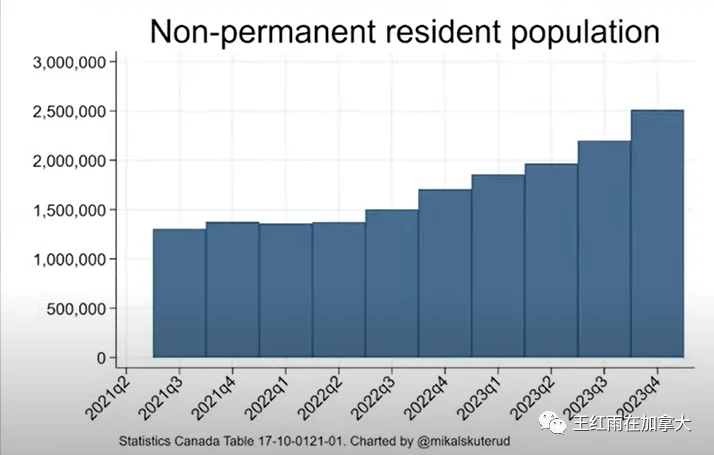
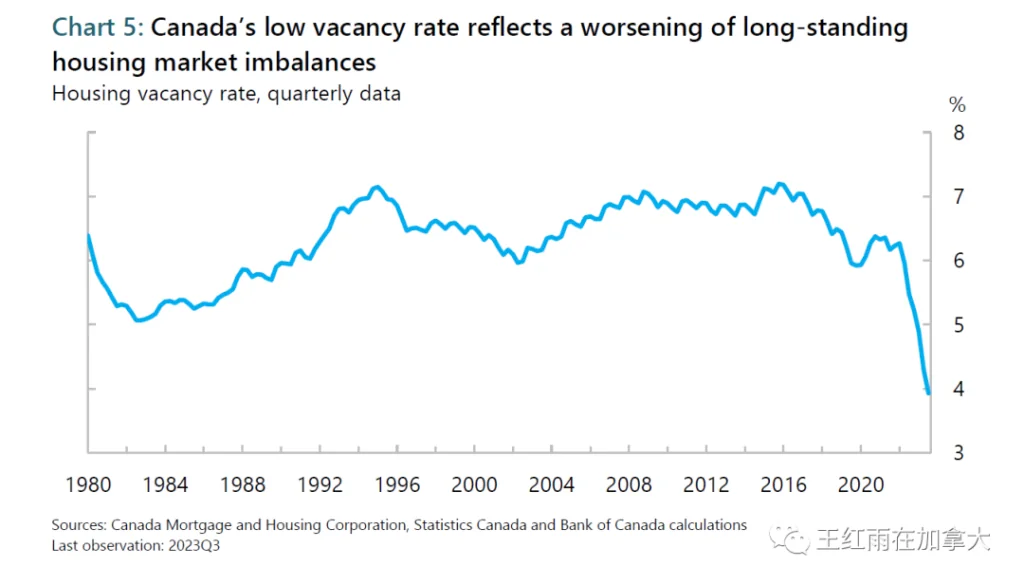
The job market has performed amazingly over the past two years. Without strong employment, this round of interest rate hikes will suffocate the Canadian economy. Canada's natural unemployment rate is between 5.5% and 6%. In the past 12 months, the unemployment rate has been as low as 5% in four months and is currently 5.8%. Some people predict that Canada's employment situation will deteriorate significantly and rapidly in 2024, but I think it is unlikely. There are two main reasons why Canada’s job market is tight and vacancies remain high: 1. There is a structural mismatch between the retired mature workforce and the new workforce; 2. The whale effect in the process of restructuring the global supply chain. Canada's baby boomers are exiting the labor market, with about 300,000 people retiring every year. According to central bank statistics, in 2023, 40% of non-residents among new residents will participate in the labor force, and 18% of new immigrants will participate in the labor force, totaling about 330,000 people. The number of new workers seems to match the number of retirees, but as can be seen from the per capita GDP figures, there are structural problems. The average income of jobs that new residents can find should be lower than the average income of retirees, and there is a structural mismatch. Therefore, Canada's per capita GPD has been negative growth in the past five quarters, accompanied by a high number of job vacancies. By the end of the year, the number of job openings had declined. Canada is a beneficiary of the reorganization of global supply chains after the epidemic, and many jobs have returned to Canada from overseas. After the last trade conflict between Japan and the United States in the 1990s, the trade conflict between Kodak and Fuji, Japan, which had the second largest GDP in the world at that time, experienced many problems such as the bursting of the real estate bubble, economic recession, falling stock prices, deflation, and high unemployment. The carcasses of whales can nourish many other marine life, so there is a saying that "when a whale falls, all things survive". Japan's whale fall promoted the economic development of other countries. The whale-falling effect after the epidemic has also made many countries beneficiary countries, and Canada is one of them. With the increase in jobs, new residents are becoming familiar with the environment.I personally think that it is difficult for the employment situation in Canada to deteriorate rapidly and on a large scale. After all, in a high interest rate environment, every family has a strong desire to survive. The Trudeau government has also restrained a lot in distributing money. Lying flat is not a good option in 2024.
In terms of credit policy, it can be said that "no news is good news." In February this year, the banking regulatory authority OSFI issued a solicitation for opinions, asking the public how to tighten mortgage policies. For example, how about reducing the single loan amount to four times the annual income? People waited with trepidation until the results were announced in October: the policy remained unchanged. According to online rumor anchors, it was Canada’s Ministry of Finance that vetoed OSFI’s proposal because the real estate market had long been in a coma and would be dead if the policy were to be tightened. On December 12, OSFI announced that the stress test rate would remain unchanged, marking another boot. In short, the mortgage policy has escaped being tightened again in 2023. The credit environment is still tight, mainly reflected in the high "Domestic Stability Buffer Rate". Before the epidemic, this ratio was 2.25%, during the epidemic it was 1%, and after the epidemic it was changed to 2.5%. It was then raised twice, and is currently as high as 3.5%, while the legal maximum is 4%. This ratio is the ratio of bank equity to loan balance. During the epidemic, when the ratio was 1%, it meant that 1 yuan of equity could lend 100 yuan. Now, 3.5 yuan of equity can lend 100 yuan. Common people call this tight credit policy "money tightening." The Trudeau government has taken some measures to benefit the real estate market in response to this situation. CMHC has purchased 8.5 billion in mortgage loans from commercial banks. This 8.5 billion in cash plus the multiplier effect can allow banks to have more funds available, either to issue mortgage loans or to increase equity capital. In short, the money used for mortgage loans has been relaxed after the completion of this asset securitization in November. At the same time, bond yields have also dropped significantly, and ordinary people can clearly feel that starting in December, bank fixed interest rates for mortgage loans have dropped. Stress-test rates, which determine loan amounts, are also falling as real interest rates are falling, and borrowing capacity is recovering.
03 Investment environment
Over the past two years, cash is king as interest rates rise and panic dominates the market. The value of time deposit GIC has increased sharply. For several consecutive months in 2022, the headlines of Canadian financial news have been that more funds have moved from funds to fixed deposits. The whole year of 2022 is an excellent time for those with short positions to build positions in the stock market. This is not something that can be judged with hindsight. As long as you see the public rushing in one direction, it means that this direction must be wrong. Just run in the opposite direction. Investors who ran into the SP500 in the opposite direction in 2022 will now have a return rate of more than 20%, properly reducing the dimensionality and hitting each time deposit certificate.
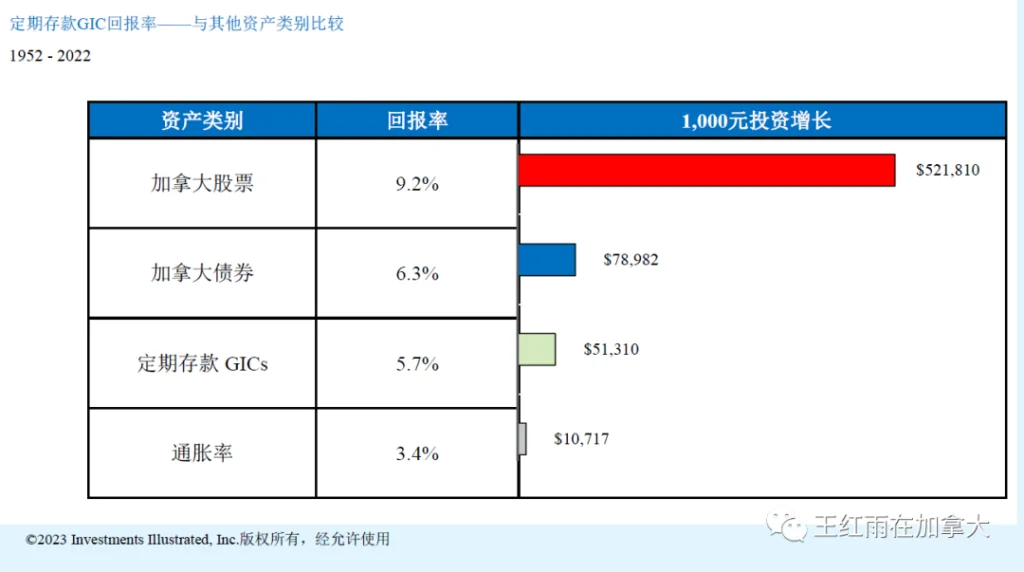
Certificates of deposit are a weather vane. When certificates of deposit are flying all over the sky, it means that people have extremely low willingness to invest and cannot find a direction. The indicator of financial panic is no longer the price of gold, but the number of certificates of deposit. In 2023, those who switched to CDs in 2022 will still have sluggish investment intentions and will continue to choose CDs after they expire. By 2024, if you continue to make fixed deposits, you will find that the cash rate of return is not as good as before. BMO Bank predicts that by the end of 2024, the interest rate on certificates of deposit will drop below 4.25%. From our experience in the past two years, we have seen that even if the interest rate on the CD is 6%, the SP500 investment return rate as an opportunity cost can perfectly beat the CD. After leaving the gold standard, under the credit currency system, money was printed, so cash has been garbage since August 15, 1971. The speed of saving money will not exceed the speed of printing money. Money needs to be placed in equity, housing rights or debt to ensure that purchasing power is not swallowed up by the money printing machine. BMO Bank's year-end recommendations compare the returns on cash and other assets: From 1952 to 2022, Canadian stocks returned 9.2%, bonds returned 6.3%, GIC certificates of deposit returned 5.7%, and the inflation rate was 3.4%; 1952 investment Among the above-mentioned assets of 1,000 yuan, the returns in 2022 are: 521,000 yuan for stock investors, 79,000 for bond investors, and 51,000 for GIC certificate investors. The above amounts need to deduct 11,000 yuan from the purchasing power loss caused by inflation.
A large bank conducted a questionnaire survey on customers who hold large certificates of deposit that can be cashed out at any time. 70% of them planned to buy a house and 30% planned to invest in financial assets.The overall investment environment in 2024 is very optimistic, according to BMO Bank’s year-end investment advice to major clients, in 2024 people will loosen their grip on the two-year time deposit certificates and choose investment products such as stocks, bonds, real estate, etc. It is expected that the SP500 will reach 4,900 points in 2024, and the bond yield will be around 6%.
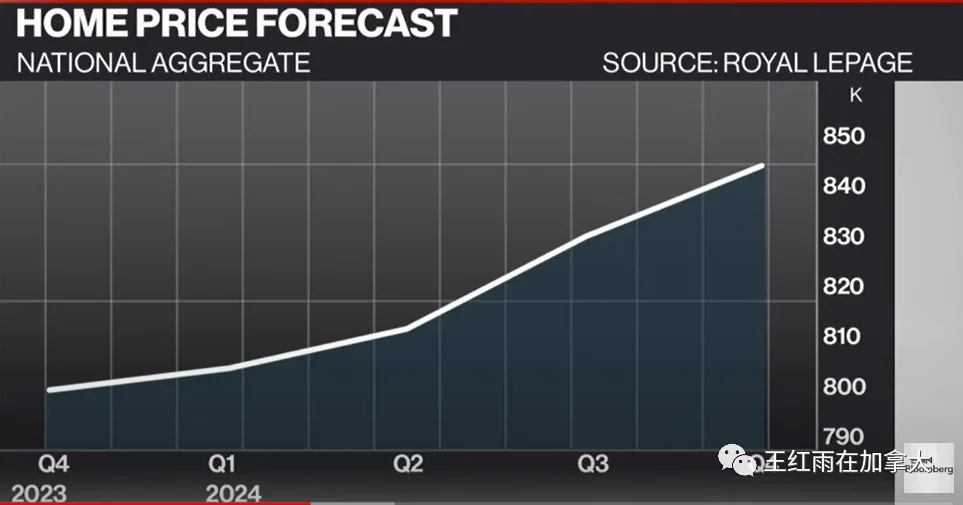
As for housing prices, I saw two forecasts. TD Bank predicts that housing prices will fall by 10% in 2024; the country's largest real estate company predicts that housing prices across Canada will rise by 30% in the next three years. These are two completely opposite predictions. Readers need to decide for themselves which one to believe or neither.
In 2024, a large amount of funds stored in GIC certificates of deposit will flow out, and their destination is still unclear. Regarding real estate investment, I would like to remind everyone to pay attention to the second-hand CONDO market in Toronto. In the six years from 2010 to 2016, CONDO prices increased by an average of 4% per year, far behind other types of real estate. The situation in 2014 was the worst, which was similar to the current situation. The price per square foot fell, and a large number of properties for sale were piled on the market. Some banks lowered the proportion of CONDO loans from the maximum 80% to 75% in 2014. It seemed that supply exceeded demand. However, during the four-year period from 2016 to 2020, CONDOs increased at an alarming rate, while other types of real estate prices grew slowly during the same period. History does not repeat itself, but the rhyme is the same. I believe that the current oversupply of CONDO will not last long. On the contrary, now is an opportunity for contrarian investment.
04 What have I learned in the past 4 years?
When the epidemic broke out in March 2020, the United States and Canada cut interest rates and implemented QE at the same time. I am experiencing an epidemic for the first time in my life, so I have no experience, but I still have basic common sense about economics. Someone made a bet with me that Canada would deflate, and I was convinced that the other party would lose. Except for Japan, among the 193 countries in the world, there has never been a situation where the central bank printed money and deflation occurred at the same time, so I am very confident in my judgment. My biggest experience this year is that common sense in economics is an indispensable part of one's judgment.
In 2021, after the central bank released a large amount of water, the credit market got rid of fear, encouraged by the central bank governor's long-term refusal to raise interest rates, and stock prices and property prices rose together. Not only are interest rates low, but credit policies are very loose, and banks' capital buffer rates are only 1%. Friends and clients around me continued to increase their mortgages on real estate and bought more investment properties. They firmly seized the once-in-a-lifetime opportunity for credit expansion and bought more properties in their own names. Inflation began to rise in October 2021. At that time, I firmly believed what the Federal Reserve and the Bank of Canada said: inflation is temporary. The ratio of Canadian government debt and household debt to GDP is almost the same. If interest rates are raised, the government debt will be difficult to afford. Therefore, it is inferred that the government will be reluctant to raise interest rates. This idea turned out to be naive, since governments could print money to pay off debts, but households could not. My lesson this year is: don’t trust central banks.
In 2022, the frenzy of interest rate hikes will sweep across North America. I have never experienced such a violent interest rate hike since I started working. According to my understanding of inflation, only raising interest rates can curb inflation. Until President Richard Nixon, the United States continued to use stupid methods such as price freezes and wage freezes to control inflation, but they were of no use. It was not until Paul Volcker suppressed inflation by raising interest rates that people understood that only by raising interest rates could inflation be controlled. From March 2022 until today, people have been cynicizing about interest rate hikes. This reflects that most people do not have common sense in economics and do not understand world economic history. Because the central bank was determined to raise interest rates, I knew that inflation would soon be under control, so I went against the crowd and bought some SP500 and bond ETFs in the second half of 2022. I predicted in a public account article on January 1 this year that inflation would fall back below 4% in October this year.Interest rates have a zero lower bound but no upper limit. This is common sense. When we see the central bank raising interest rates without hesitation, we can categorically predict that inflation will be under control in the short term. Therefore, in the past IThe 1-year article repeatedly said: Be optimistic about the short term and believe that inflation will be under control; remain pessimistic about the long term. Money printing will not stop and more and more will be printed, so asset prices will continue to rise. These assets include stocks and real estate.My experience this year is still: common sense in economics is an indispensable part of a person's judgment.
2023 is the most tumultuous year. People's investment confidence had recovered at the beginning of the year, but the two interest rate hikes in June and July extinguished most people's investment enthusiasm and courage. The strange changes in the bond market from August to November further intensified people's fear of uncertainty. On December 13, the Federal Reserve suddenly turned dovish, shocking the market again. I have never experienced such a dramatic economic environment, and I can't find an investment direction. All I can do is deleverage debt with high interest rates. I think this is probably the choice of most families. The US stock SP500 has quietly risen by 24% this year, indicating that more and more people are letting go of their time deposit certificates and gradually returning to the investment market. My experience this year is: Economics must continue to develop, because previous experience and common sense cannot cope with the new environment and new problems that are constantly occurring.
OutlookIn 2024, I think next year will be a year of "big water means big fish; the bigger the wind and waves, the more expensive the fish". All investments will be rewarded, as long as you let go of the time deposit certificates in your hands.Economic development will not be stable. We don’t know where the two hot wars will go, nor do we know what dramatic events will happen in the US election. The storms must be huge, and wealth can only be found in danger. Therefore, the bigger the waves, the bigger the fish, and those who don’t go to sea will gain nothing.
Judging from December 2023, that is, now, a weak landing of the U.S. economy is a high probability event. That is, while inflation is falling, the unemployment rate has not increased significantly, and the economy has not experienced an obvious recession, because at this moment, the Federal Reserve has already mastered the tool advantage of cutting interest rates. As long as the unemployment rate rises, it can adjust through interest rate cuts. At this moment, everyone will have this consensus, and once the consensus is reached, asset prices will take off. Canada stands on the same side as the United States, both economically and politically, and a soft landing for the Canadian economy is also achievable. 2024 is the year of optimism.
Conclusion:
I have shared with you all my understanding of the general environment of the past four years and my outlook for next year's general environment. But my suggestion is not to make investment decisions based on the general environment, but to make investments based on your own actual situation and your own small environment. Some people try to predict the economic cycle on paper and decide investment timing based on the ups and downs of the economic cycle. I think this is a nerd's idea. The purpose of macroeconomic regulation is countercyclical adjustment, so we cannot find the rhythm of the economic cycle. People who are struggling to find investment opportunities will have only one result in the end: shortfall.
Uncle Benshan has a famous saying: "If you don't have the ability, just say you don't have the ability. Why is it that the environment is not good everywhere you go? Are you the one who destroys the environment?" He is making fun of people who blame the environment for their own unhappiness. Everyone living in the same country has the same general environment. The big difference is their own judgment and the quality of the small environment. It is undeniable that some people do not see the big environment clearly, and they will misjudge even if the small environment is very good. I hope that my above-mentioned understanding of the general environment can play a comprehensive and inductive role, helping everyone better understand Canada's economic environment and make investment decisions based on their own small environment.
As we bid farewell to the old and welcome the new, I wish all readers to see the big picture clearly, live a good life, have a Merry Christmas, and make progress in the New Year.