Since I started writing this official account on January 1, 2018, the number of readers gathered here to watch has reached a considerable scale, but the number of people who actually practice real estate investment is far less than the people who subscribe to the official account. Ye Gonghaolong or people who just want to take a peek at how others invest in real estate will not subscribe to my official account for a long time. Readers who subscribe for a long time must be people who want to try their skills in real estate investment. What are the factors that prevent people from investing in real estate? What I see is this: the main obstacle is the obsession and mindset when it comes to filing taxes.
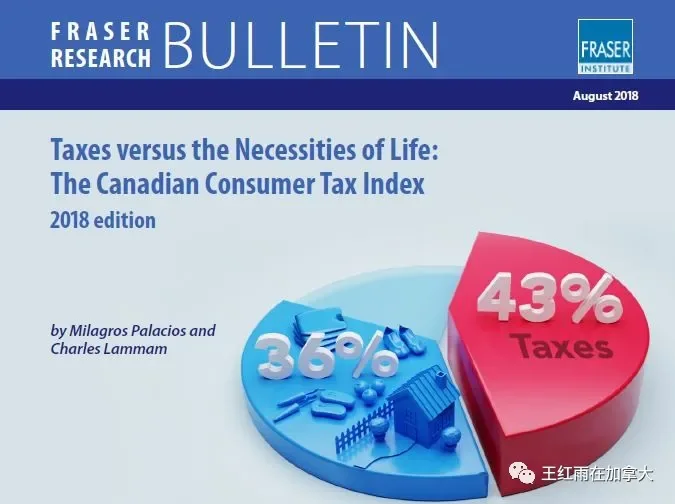
Canada’s tax system isprogressive direct tax. China's taxes mainly come from enterprises, not individuals. They are indirect taxes and differential regressive taxes, which is the opposite of Canada. For example, Canada's corporate tax is 16%, China's 35%; Canada's personal tax is 30%, China's 22%, which means that Chinese companies pay more taxes, and the tax is not mainly levied on individuals, but is indirectly taxed on individuals. In Canada, the more an individual makes money, the higher the tax rate, which is called a progressive tax; because China's taxes are mainly levied on companies, the higher the individual's income, the lower the tax rate, which is a regressive tax. After the Chinese arrived in Canada, they were extremely uncomfortable adapting to this change. They always felt that they paid too much tax and suffered a loss, so they habitually tried every means to save taxes. The result of saving taxes is that the income that can be used to apply for mortgage loans is reduced. The mortgage loan with the lowest interest rate cannot be obtained, or it is very small, and it is impossible to buy an investment house. However, real estate investment is the best tool for tax avoidance. Real estate investors can enjoy many tax benefits just like running a business.The chicken that pays less taxes cannot lay the most tax-saving eggs - real estate investment.Real estate investors who are delayed by tax filing have the following characteristics:
01 People who cannot see the consequences of the consequences
"Poor Charlie's Almanac" contains an article by Charlie Munger in October 2003 at a university where he discussed his views on economics. One point is that scholastics paid too little attention to the secondary or higher effects of economics. He gave an example. David Ricardo believed that trade would promote the comparative competitive advantages of various countries and accelerate the accumulation of human wealth through exchange and trade. Later economists believed that Ricardo was right and have been teaching students this way in schools. However, this approach of encouraging global trade will cause backward countries to benefit more from trade than advanced countries, and backward countries will progress faster, so that they can quickly catch up with or even surpass developed countries: the consequences of trade are good, and the consequences of trade are that very few backward countries have developed beyond the United States, and the final result is unfavorable to the United States. Charlie Munger named China as one of the very few countries that will benefit the most from international trade, implying that the United States' consent to China's entry into the WTO will ultimately bring harm to the United States. China joined the WTO in November 2001, and Charlie Munger issued such a warning in 2003. This wise man has already seen the consequences. Today’s Sino-U.S. relations perfectly prove Charlie Munger’s conclusion in this speech: “Ricardo did not prove that the original leading country will getSuch a beautiful ending, he did not attempt to identify secondary or higher consequences. "Russia joined the WTO 11 years later than China and can no longer threaten the hegemony of the United States. The United States will have to bear the consequences for not understanding the consequences and not listening to the wise.

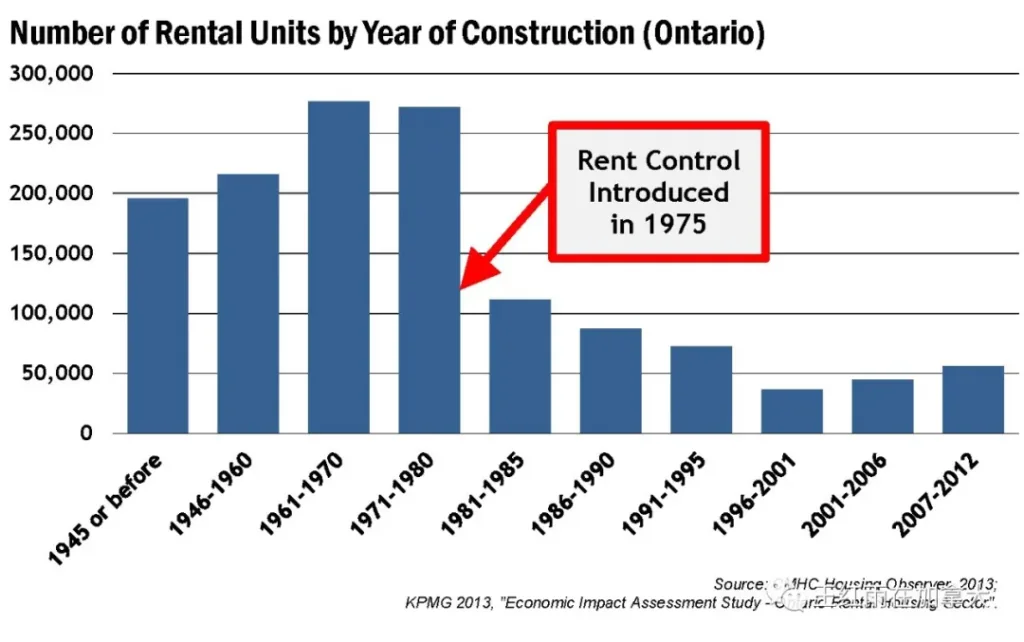
In Canada, we don’t need the wisdom of Charlie Munger to observe how unexpected the consequences will be. In order to run for office in 2017, the Liberal Party launched a Fair Housing Plan in Ontario to suppress housing prices. The results were good, but the consequence of this good result was that the Liberal Party suffered a complete defeat in the provincial election, because 69.7% of the population in Ontario owns their own homes. Whoever suppresses housing prices will have to step down. Another example is more familiar to everyone: Ontario has implemented rental control for a long time, limiting the annual rent increase. The consequences are good, and existing tenants are protected. The consequence of this is that large capital does not dare to invest in apartments specifically for rental, fearing that the tenants will not move out for a long time and the rent cannot be raised. The real estate investment market has been given to small landlords, and due to insufficient supply, the market rent increase is not low. As long as the tenant changes, he has to accept the market price. You can't rent a house without moving for a lifetime. Hong Kong also had rent control before, but it was canceled due to public dissatisfaction from tenants rather than landlords. Ontario's rent control does not apply to new homes delivered after November 2018. This measure to reduce the scope of rent control has not yet seen results. Big capital is still worried, and small landlords are still quite active. If there were no rent control, big capital would build a lot of apartments specifically for rent, increase supply and reduce rents. I am afraid there would be no investment opportunities for small landlords.
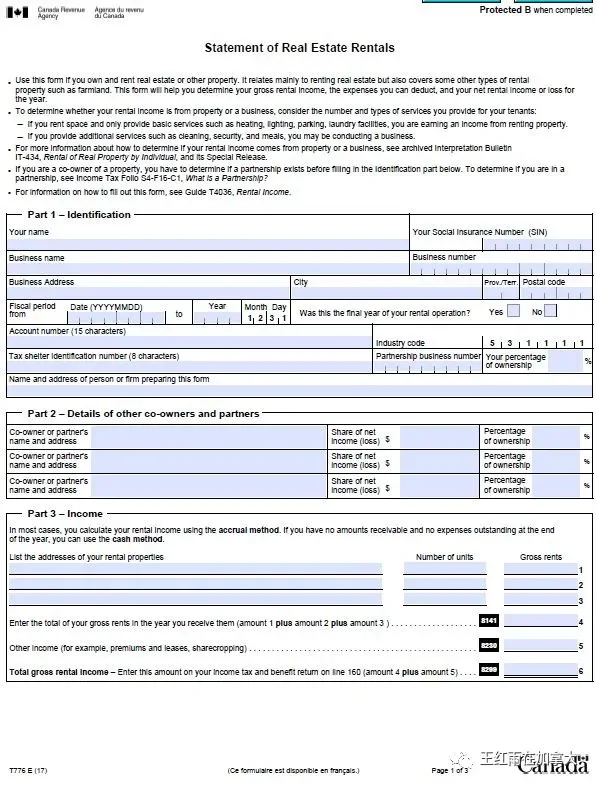
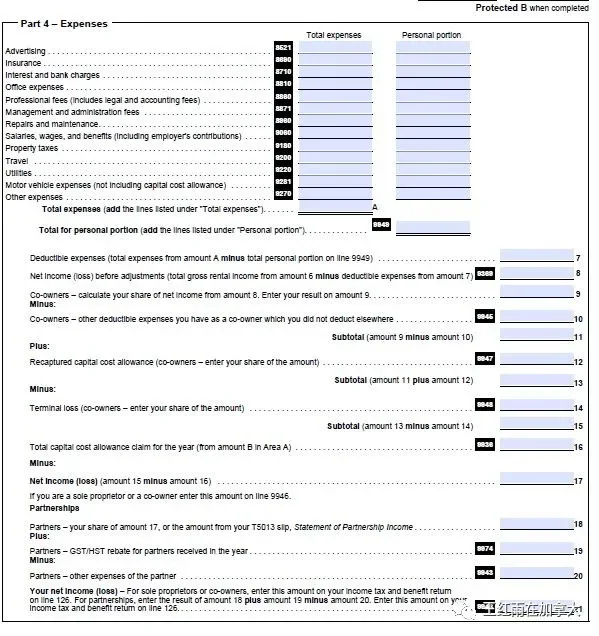
The tax-saving features of real estate investment are consequences of consequences.People who cannot see the consequences of consequences will not work hard for real estate investing.For investment properties, you need to fill out a profit and loss statement every year and file taxes together with other income items. The name of this form is T776. The table needs to list the total income and total expenses, as well as the net income for the year. The total expenses include interest, land taxes, apartment management fees, and other expenses related to rental income. This is the same as the company's income tax. Only the net income after deducting operating expenses needs to pay taxes. The landlord is actually running a small business of investment housing and providing tenants with livable properties, so they have been treated as entrepreneurs in terms of government taxation. The consequence of making more money and paying more taxes is that you can borrow a mortgage loan and become a landlord. The consequence of becoming a landlord is that you can save taxes. It is difficult for people who cannot see the consequences of the consequences to become real estate investors.
A typical real estate investment profit and loss is as follows: annual rental income 21,510; advertising fee 180; premium 655; interest 7,355; maintenance fee 4,387; local tax 3,533, other miscellaneous items 2036, net income 3,362. The final net income is added to the landlord's taxable income for the year. Interest expense is usually the largest expense, followed by property taxes, and after these expenses are deducted, the landlord's taxable income is. When a property is sold, the difference between the purchase and sale price is a capital gain, and only 50% of the capital gain is taxable income.The entire process of real estate investment is protected by a tax shield: after deducting expenses and fees, the rental income reduces the taxable income, thereby reducing the current tax payable. During the long-term holding process, the tenant has been paying most of the expenses, which plays a role in delaying tax payment. When the property is finally sold, only half of the income is subject to tax.
02 retirement savingsRRSPlovers of
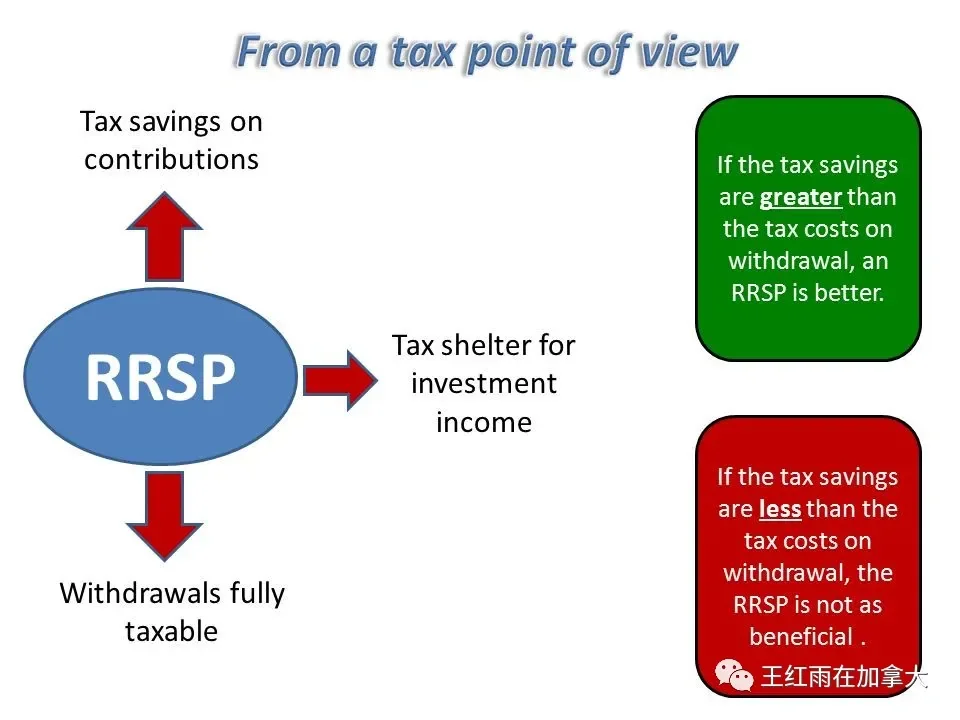
If you want to become a multi-home investor, the most important condition is that the loan balance of your home is less than 2 times your annual income. Otherwise, it will be difficult to apply for an investment home loan or a mortgage/refinance for an investment home loan. If a family chooses to buy the maximum amount to invest in the RRSP every year when accelerating the repayment of the home loan and investing in the RRSP, it will not be able to repay the home mortgage loan in advance. Therefore, the balance of the home mortgage loan remains high for many years, which affects real estate investment.
RRSP is just a tax shield. The funds invested in RRSP can offset the current year's income tax. The investment portfolio in RRSP is usually for retirement purposes. Many families' returns on funds invested in RRSPs are very unstable, or even at a loss. Their investments have suffered losses for many years. The only purpose of investing in RRSP assets is to offset the current year's income tax. Investment is to balance lifetime income. If the assets invested in RRSP cannot achieve the purpose of balancing lifetime income, why invest precious funds in financial assets that you are not familiar with or understand? Real estate investment cannot be included in the tax shield of RRSP because it is protected by the tax shield itself. Only financial assets are eligible to enjoy the tax-deferred treatment of RRSP. Families who are unfamiliar with financial asset investment are advised to give priority to repaying their home loan and defer depositing funds into RRSP. After all, the RRSP limit can be deferred. After understanding and familiarizing yourself with financial asset investment, investing in RRSP when your income is at its highest will have the best tax deferral effect.

Young people with an annual income of less than 60,000 do not need to rush to invest in RRSP. The accumulated amount can be invested in RRSP in the years when the income is highest, which will achieve the best tax saving effect. My 5 hour video lecture on youtube"We are forced to invest in order to balance our lifetime income"There is a case mentioned in the article, in which a low-income couple accumulated RRSP balances over the years, and concentrated on purchasing RRSPs in the year when they sold their investment houses and realized capital gains. Since the tax bracket was the highest in that year, they enjoyed the greatest tax benefits.
Families who are accustomed to purchasing RRSPs to the maximum every year regardless of investment returns are mostly affected by their mindset and the herd effect, and therefore have difficulty investing in real estate. Is tax saving or investment more important? Which one can more realistically achieve the investment goal of balancing lifetime income?
03 People who are desperate to save taxes
Some self-employed owners have a large amount of retained earnings in the company that have not been allocated to themselves. When filing taxes, their personal annual income is only 20,000 yuan. This is an income that cannot support themselves in Toronto. There must be many personal living expenses that are paid through the company's expenses. I don't know what the tax bureau thinks when seeing such personal tax return information, but banks must not be willing to approve mortgage loans to them. Some small business owners sacrifice personal borrowing in order to save taxes. Of course, some bad ideas come from accountants. No matter what, if your personal income is low, applying for a loan in your own name will not work.
I gave an example in the article "It's Hard to Make Money, How to Break It". An immigration agency that had been in business for more than 10 years was sold for only 160,000. The business owner spread the 160,000 from the sale of the business over the past 10 years, increasing the income by 16,000 per year. To put it another way, in the past 10 years, I have paid myself an extra salary of 16,000 yuan every year, and closed the business directly. Then the extra 16,000 yuan in salary every year can increase my mortgage borrowing capacity by 80,000 yuan, which is 800,000 yuan in 10 years. The $160,000 gained from selling the business counts as capital gains, not income, and cannot be used for loan applications. 99% of small businesses cannot be inherited or sold at all, but business owners just can't handle this. When there are operating profits, in order to save taxes, they do not distribute the income to themselves, cannot obtain personal mortgages, and do not accumulate personal assets. When the business fails or ends, there is no other passive income. This crazy tax-saving practice is totally worth the loss.

There are also some tax filing practices that they know are wrong, but they are dazzled by the word "tax saving" and do not hesitate to take risks. For example, investment properties cannot incur rental losses due to depreciation CAA, and investors do this deliberately by looking for accountants to cooperate with them in committing crimes. There are also people who report their rental income from investment properties in their own names under the names of shell companies they registered. The cost of this is worrying about tax audits and being unable to get mortgage support.
For those who earn commissions, their annual commission income is 200,000. By using various methods such as real and fake expenses, kickbacks, and income distribution to family members, they can report their net income to 20,000. This is also a superb way to cut off their borrowing ability.
The above-mentioned tax filing method of my aunt is against public order and good customs. Canada is a mature developed country, and many people think they can find tricks to pay less tax than others. When I first came to Canada, I also struggled with the matter of filing taxes. I visited experts all over the place to ask for answers, and finally found it. This sister who rode the waves told me, "If you want to pay less taxes, there are two suggestions: 1. Make less money, and 2. Report truthfully." I didn't listen to the first one, but I followed the second one. It turns out that being conservative in filing taxes is the smartest thing, because the income from real estate investment far exceeds the money left by hiding in Tibet to save taxes.
04 Man Crucified by Hammer Man
Bernard Shaw once said, "Every profession is ultimately a business of deceiving the layman.", plus what Charlie Munger said, "Your narrow-minded professional advisor does not deliberately get you wrong, but his subconscious biases cause you trouble." Using the famous quotes of these two wise men, look back at what advice you have seen from professionals, especially accountants, over the years, and what advice they have given you, and which of them have led to your death.
I have yet to find an accountant in Canada who understands investment. I mean the kind of accountant who can make his investments sound and impressive. I'm"We are forced to invest in order to balance our lifetime income"The video lecture repeatedly emphasized: Be the master of Noah's Ark of your own wealth. The other professionals you hire are all sailors. If the ship capsizes, it is your own responsibility. 99.99% of the advice given by accountants is tax saving advice, not investment advice. Find an accountant who has time to listen to your investment plan every year to help you file your taxes. Don't find an accountant who is too lazy to meet in person and leaves it to his assistant to file your taxes. In order to invest, sometimes it is necessary to file more taxes, rather than save taxes. If you ask the accountant to file your taxes without saying anything, the other party will use their professional bias to drive your boat directly into the ditch.

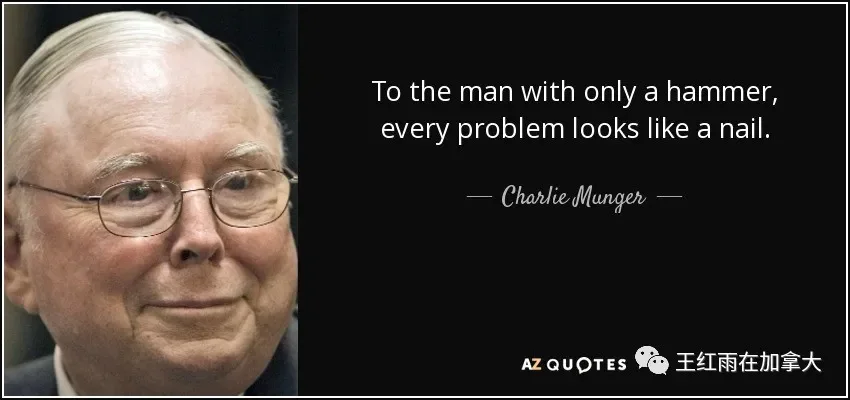
Charlie Munger has a catchphrase, "To a man with a hammer, every problem looks like a nail." It is used to praise professionals with narrow vision who can handle all problems into the problems they are best at. If you just ask the accountants to file taxes without saying anything, they will think that you are here to seek tax savings, because they only have a hammer in their hands, and whoever comes to them will be a nail.
05 Traveling across the ocean to avoid taxes
Some elites believed that they could not display their talents in Canada. After obtaining citizenship, they traveled across the ocean to pan for gold. The main gold panning destinations were China and the United States. At the same time, they still resolutely cut off all ties with Canada, especially their tax qualifications. China's real estate restrictions restrict loans, purchases, and sales. In first-tier cities, you are lucky to be able to get a loan to buy a home. If you want to get a loan to buy an investment property, divorce and other tricks are not easy to use. Americans are not interested in investing in real estate. 26% of the national wealth of the United States is in real estate, while 76% of Canada's national wealth is in real estate. The habitable area of the United States is also much larger than that of Canada. The supply of housing is too large and housing prices cannot rise. Therefore, it is difficult to make a profit investing in real estate in the United States. These elites who have traveled across the sea can only do as the locals do and invest with the Americans and Chinese. But looking back, they realize that the real estate investments made by their peers in Canada have been very fruitful, and they are no less profitable than those who traveled through mountains and rivers overseas to pan for gold. I know this situation because elites like this keep asking how to get a loan to buy an investment property in Canada.

If you are too smart, you will be misled by your cleverness. A very small number of elites with financial resources can retain the qualification to file taxes in Canada and file taxes on their overseas income in Canada again, because the United States and Canada and China and Canada have agreements to avoid double taxation. Those who file taxes in Canada and overseas at the same time can only make up the difference caused by the tax rate difference. These very few people, because they have tax-declared income in Canada, take out loans to buy investment properties, and add refinancing to the investment properties. Just like people who work and pay taxes in Canada, all banks respect and treat such conservative and smart people favorably.

Conclusion: I can’t write any more, I’ve already offended many people. I hope readers who work in the tax bureau can help me apply for an "encouragement to pay taxes" medal. Charlie Munger said,The best way to get something is to make yourself worthy of it.Real estate investment can balance your lifetime income, and you can enjoy tax benefits for small businesses. If you want to be qualified as a multi-suite landlord, the necessary costs are indispensable: paying more taxes and reducing consumer debt. There is a huge gap between knowing the truth and paying the price - action. A new decade of low interest rates has begun again. Take advantage of the low interest rates and ride the wave of real estate investment.Remember, all good things come with a price.