The Bank of Canada's interest rate hikes since March 2 have left many families wondering, where does this fierceness come from, and who are they competing with? Prices are already very high, and interest rates are also so high. Are they going to keep people alive? On October 26, interest rates were raised by another 0.5%, and the P of commercial banks has reached as high as 5.95%. The current interest rate level is only beneficial to households with more deposits than loans, and brings pressure and constraints to households with more loans than deposits. Families with more loans are most interested in knowing when interest rates will be raised so that they can take a breather. Otherwise, other than accelerating debt repayments, they will have no time to do anything else, and they will not dare to spend too much or invest. What is the factor that has the biggest impact on interest rate hikes? When can this factor be eliminated? When all the people suffer from high prices and interest rates, they must be paying for someone or something. Why are we suffering? In a high interest rate environment, is real estate investment still a good investment? I myself am one of those who have borrowed a lot and have been a front-row victim of the wave of interest rate hikes. Just like Irving Fisher who studied economics diligently after the stock market crashed, I am also trying to find answers to the above questions.
01 The rationale behind interest rate hikes
The Bank of Canada sent a deputy governor, Paul, to explain the theoretical basis of the current interest rate hike in the form of a speech at the University of Waterloo. The speech can be found on the central bank’s YouTube channel. Chinese people who have no foundation in economics may not be able to understand this lecture, so I will restate the explanation of the central bank for everyone based on the content of this lecture.
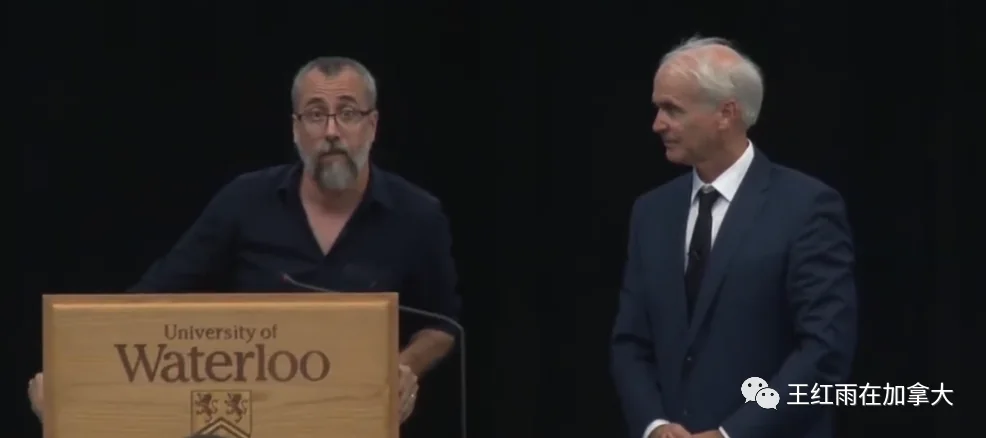
Paul explained the theoretical basis of this round of interest rate hikes from three perspectives: spillover effects, abnormal employment recovery, and inflation expectation management.
"Spillover effect", according to my understanding, is that as a country that contributes less than 2% to the world economy, Canada's macroeconomic policies need to take into account the spillover effects of global economic policies. In layman's terms, we need to see what policies the United States adopts, and I will adopt policies accordingly.
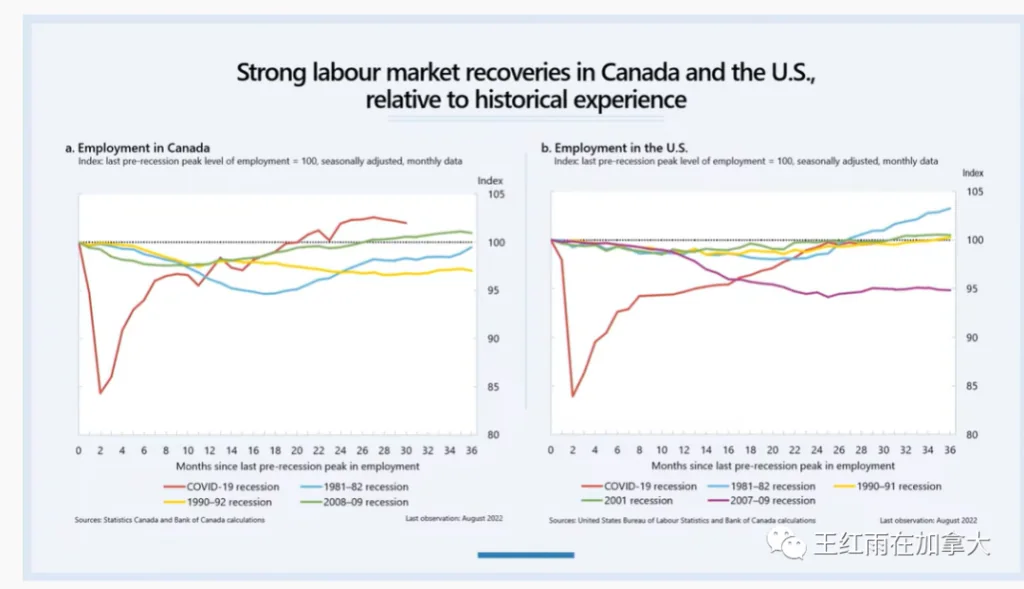
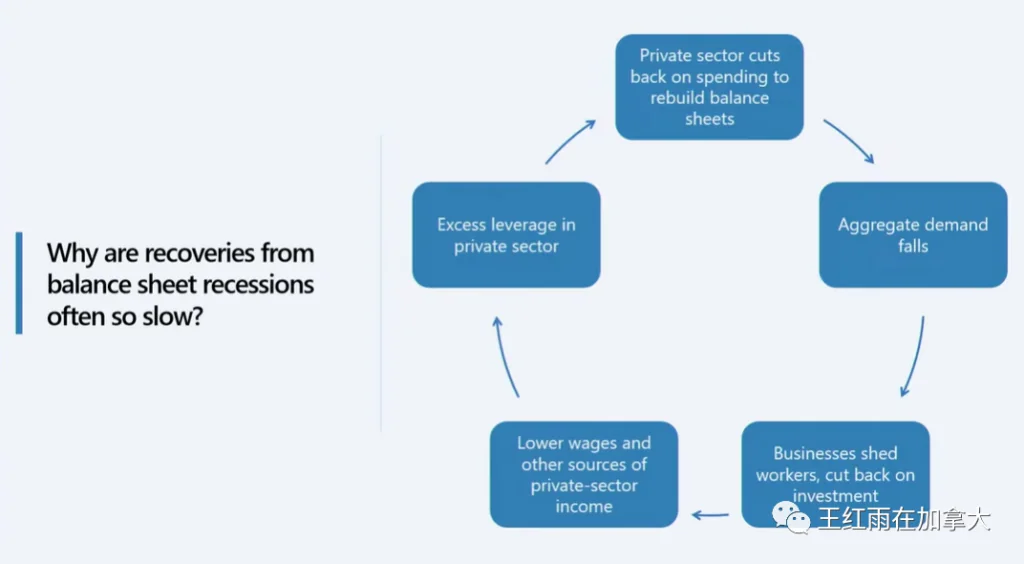
"Abnormal employment recovery" refers to the serious problem of difficulty in restoring employment in the United States after the subprime mortgage crisis. It was later discovered that the subprime mortgage crisis led to household "balance sheet recession." Translated into human words, the market value of the assets purchased by households with debt shrank, but the debt did not decrease. After the crisis, people worked hard to make money to pay off debt instead of consuming. One person's consumption is another person's income, so the consequence of not consuming is that the unemployment rate remains high. In response to this situation, after the outbreak began, both the United States and Canada adopted strategies to protect household balance sheets. That is, they implemented active fiscal and monetary policies at the same time, printing and distributing money while steadily inflating asset bubbles. The money earned when people returned to work after the epidemic, together with the relief funds received during the epidemic, were used for high consumption. One person's high consumption is another person's high income. Newly graduated college students not only found jobs quickly, but also earned a good income. I don’t know that in those countries that did not implement relief during the epidemic, college students graduating in 2022 have experienced a hard landing in the life of unemployment after graduation. It is estimated that when college students graduate next year, this group of college students who graduated this year have not yet found a job. There are two groups of people who benefit the most from the economic policies of the United States and Canada: 1. People who received relief during the epidemic, and 2. College students who graduated this year. It is everyone else who pays the bill.
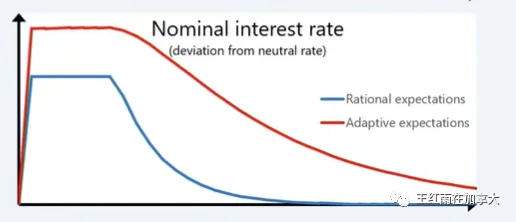
"Expectation management" is the term of New Keynesianism. When people believe in the central bank and the central bank says it will reduce inflation to 2%, everyone will believe it based on their rationality, so they will not rush to buy goods or consume in advance. At this time, people are in "rational expectations." Under the current circumstances, people do not believe what the central bank says. At this time, if you want people to believe that the central bank can reduce inflation, you need to really reduce inflation. At this time, people's mental state is "adaptive expectations."According to the New Keynesian interpretation, when people have adaptive expectations, in order to control inflation expectations, the central bank needs to really raise interest rates very high and let the public see the inflation drop with their own eyes. This is the theoretical basis of the interest rate hike storm.
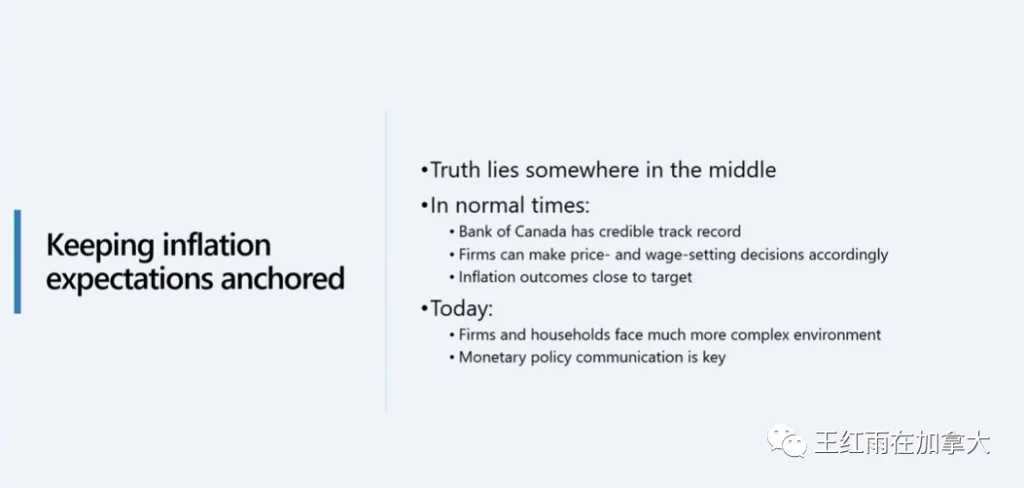
If you don’t understand, please go to my personal YouTube channel to watch the video recorded in October.
02 Current status and prospects of inflation, employment, and interest rates
The central bank has two tasks: 1. To maintain currency stability and 2. To promote full employment. Obviously, it was because the second mission was over-completed that the first mission seriously missed the target. The current unemployment rate in the United States is 3.7%, and the tolerable unemployment rate is 5%. This is the basis for the Federal Reserve to continue to raise interest rates. The central bank has a total of two exams, Chinese and Mathematics. One is now 120 points and the other is 40 points. They will desperately balance the scores of the two subjects into 60 points each. The loss of 40 points in the middle is the real loss of families under high prices and high interest rates. There are two strong motivations for the central bank to insist on going its own way: 1. During the epidemic, remarks such as "inflation is temporary" and "no interest rate hikes until 2024" are regarded as scumbag behavior and completely irresponsible. It is urgent to restore the central bank's prestige; 2. No other department can do anything about inflation. The Ministry of Finance is still issuing money, which is counterproductive to controlling inflation, and can only make the central bank tighten everyone's belt. In short,Raising interest rates is not the need of households, but the need of the central bank.
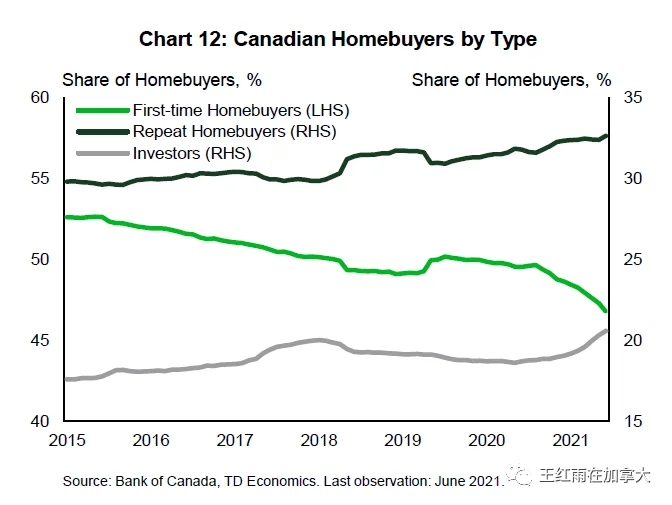
The biggest lesson we can learn from this round of interest rate hikes is that when the central bank does not practice martial ethics, we must fight against the most powerful scumbag. The governor of the central bank is not elected and cannot be elected. After making one mistake, he can make a bigger mistake to cover it up. We made a serious mistake last year when analyzing the possibility of raising interest rates. We underestimated the possibility that the central bank would sacrifice public interests without a bottom line in order to correct its own mistakes. We thought at the time that government debt was much larger than household debt and that once interest rates were raised, the government would not be able to bear it. In fact, we forgot that the government could secretly communicate with the central bank and ask the central bank to print money to repay debts, but households could not print counterfeit money at home to repay debts. Many families did nothing wrong. They even walked out of their homes in response to the call of the central bank governor in July 2021 and braved the fire of the epidemic to look at houses, buy houses, and get loans.“It is easy to make mistakes, and easy to persist in them, when the cost of the mistake is borne by others.” - Thomas Sowell.
Okay, stop complaining, who allowed us to catch up with such a central bank governor. What is the outlook for inflation? I personally believe that Canada will be able to effectively curb inflation in the next year. The direct consequence of the interest rate hike is that people are pessimistic about their future expectations. The general pessimism has led to a drop in oil prices, lowering the cost of basic commodities. At the same time, the pessimism of enterprises has led to a reduction in inventories. The PMI purchasing managers index has entered recession ahead of schedule. The producer price index (PPI) is no longer high, and the source pressure of the consumer price index (CPI) is easing. The consumer price index is somewhat sticky and will not fall soon, mainly because rising interest rates will lead to higher living costs, including rising rents and increased interest payments, offsetting the impact of falling oil prices. Inflation will be brought under control, but the decline will not be too rapid. One of the main purposes of the central bank raising interest rates is to manage expectations. When everyone expects an economic recession, is unwilling to consume, and works hard to repay debts, the central bank's purpose is achieved. Economists warn the central bank that "if you raise interest rates, the economy will decline." The central bank will not stop raising interest rates because it wants everyone to believe that an economic recession will happen soon. According to my observation, many people have really believed that the economy will recession, but in fact this is just the result that the central bank's expectation management hopes to see. The basis for my belief that inflation will be contained is that I see more and more people believing that a recession is coming and changing behavior and consumption patterns as a result. I need to remind everyone here that in order to show off to the central bank, we can be pessimistic, but we should not take unnecessary actions to embarrass ourselves. For example, some people accelerated the principal repayment of rental housing loans, and some people locked the floating interest rate into a fixed interest rate when the fixed interest rate was so high. Just act it out, don't be serious about it. The only things that really need to be deleveraged are owner-occupied housing debt and consumer debt.
The high employment rate is the result of high prices and interest rates paid by many families. We are proud to see that young people and new immigrants can find jobs soon after the epidemic. Low unemployment has now become the reason for the central bank to raise interest rates. This is the most incomprehensible phenomenon. Is high unemployment what the central bank wants to see? Not only is the central bank's approach incomprehensible, Trudeau's approach encourages people to receive relief instead of working, and keep giving out money, giving out money, giving out money. Under the leadership of the central bank and Trudeau, Canada's current work ethic is upside down. Unemployment and receiving benefits are contributing. This is the first time in my life that I have seen a cold-blooded economic policy that is happy to see people lose their jobs. The epidemic has caused a huge wealth gap. At the same time, many families are heavily in debt, and high interest rates have made things worse. Therefore, people’s desire for self-fulfillment by going out and working hard has been stimulated. People who have fallen flat and stood up again have no confidence and dare not lie down again. I don't think the unemployment rate will increase significantly in the short term because life is so stressful.

The rate of interest rate increases cannot continue. Poorly run businesses and over-indebted households cannot afford such a rapid and substantial interest rate increase, whether in the United States or Canada. When the flow of income does not match the flow of debt service payments, some over-indebted ones will fall first, triggering a chain reaction. During the epidemic, borrowers who chose floating interest rates and obtained loans from banks that provided fixed monthly payments, such as BMO, or renewed their loans, have locked in ultra-low monthly payments for five years, which is enough to withstand the huge impact of interest rate increases. Those who make wrong choices need to bear the consequences themselves, especially families who choose to borrow short-term funds from shadow banks to speculate on real estate."Speculators are people who know the risks they have to take, investors are people who don't know the risks they have to take." - Keynes.What I want to remind and advise is investors, because many investors do not know where the risks are. On the contrary, speculators know that they are taking risks and do not need reminders and help at all. Speculators will bear the consequences on their own.For loan investments, locking the monthly payment at the lowest point is the best risk control for loan defaults. There is no other way., Therefore, borrowers who have locked their monthly payments at the lowest point must not take the initiative to increase their monthly payments, let alone switch from floating to fixed. hold on,Preventing loan defaults is the best weapon to deal with crazy interest rate increases, don’t add to the matter, there is a saying: no zuo, no die, if you increase the monthly payment, you are increasing the repayment amount you promised. Since it is a promise, you must act according to the contract. If you cannot fulfill the promise for 3 consecutive months, the house may not be saved.In this crazy environment, persisting until speculators fall first is a victory for investors.At present, bond yields are high, exceeding stock dividend rates and even exceeding the yields of previously issued junk bonds. A major transfer of funds in the capital market is inevitable. In this epic reinvestment and capital transfer, the places with the greatest leverage are the most vulnerable, and they appear in unexpected ways. The UK has a "pension crisis" that caused the new Prime Minister to live in No. 10 Downing Street as an AIRBNB for 44 days.During the period of crazy interest rate hikes, protecting your debts from being cut off and waiting for other financial institutions, companies, or desperate families to be hit by thunder is a passive defense, but it is the most effective method of crisis management.

03 The interest rate hike has entered the deep water area, and you will drown if you are not careful.
After the interest rate hike on October 26, mortgage debt has reached the limit of what many families can afford. At the end of 2020, the banking regulatory authorities raised the stress test interest rate to 5.25%. Until July this year, all loans were approved at the 5.25% stress test interest rate. The current market interest rate has exceeded 5.25%. For those families whose floating-rate loans have floating monthly payments instead of fixed monthly payments, and those whose loans happen to expire and need to reset their monthly payments according to the current high interest rates, their mortgage debt affordability has reached the upper limit of their ability. If they encounter unemployment, disability or accident, it will lead to the cessation of debt payments and even the loss of their property. In the deep water area of hiking, you must either hold your breath or improve your swimming skills. In short, you must carry it until others fall first.
Families who borrowed high-interest loans to buy houses during the epidemic are at high risk of debt. In 2021, 36,000 real estate transactions in the Greater Toronto GTA area were supported by shadow bank loans, accounting for 1/3 of the annual transaction volume. These loans have expired one after another this year. Judging from the market situation, most loan shark borrowers have withstood the test and have not sold a large number of houses. As Keynes said, speculators know that they are taking risks, and they should have prepared some surplus food.
Serious investors still need to have sufficient cash reserves. Households with high monthly payments currently need to reserve cash, or cash equivalents, such as lines of credit that can be withdrawn at any time, or ETFs with highly liquid stocks or bonds. It is not recommended to continue to contribute to the tax shield, nor to invest in any illiquid financial assets. If you still have the ability to add a mortgage to invest in a house, you can add cash from the mortgage as a reserve.
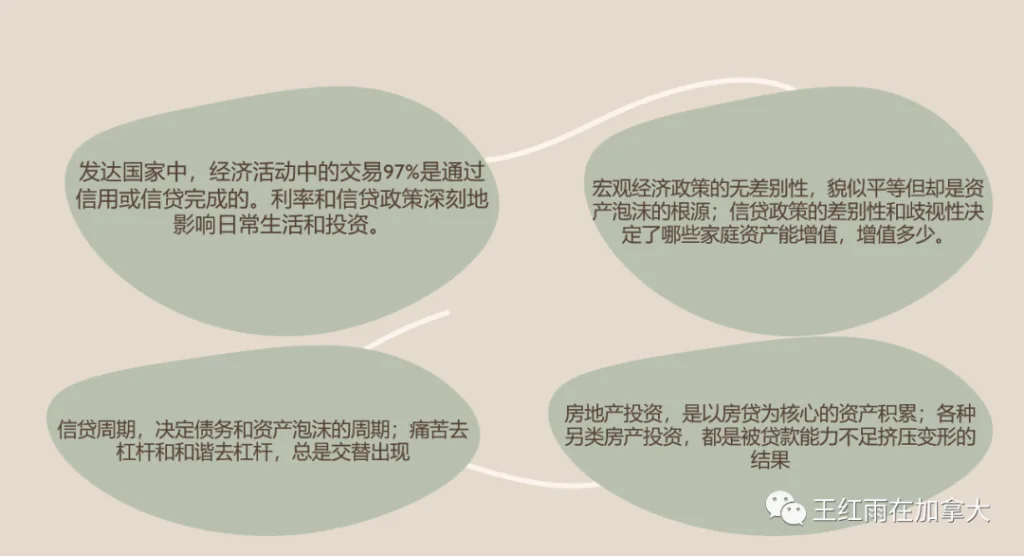
After interest rates increased, bond yields also increased, and dividends from participating insurance also increased, but stock prices continued to fall. This is a time window for reinvestment. Salespeople from all walks of life are flooding social media with their own theories and stories, and their routines are getting deeper and deeper. Faced with many choices, the advice to investors is:The first choice is to accelerate the repayment of home loans and consumer loans. Secondly, choose financial assets with strong liquidity. Don’t touch financial assets with too small market, too small transaction volume and too heavy default penalty. Finally, except for real estate, don’t use leverage to invest in other assets., there is no such thing as moderate leverage. If you can grasp the "degree", everyone will be Buffett. The people who suffered the most serious investment losses this year were those who used investment loans to invest. That is, they borrowed 100,000 yuan and invested 100,000 yuan with nothing. The market value of many people's investments this year fell by 60%, and the loan interest rate doubled. This kind of investment is a purebred bad horse with a declining balance sheet.
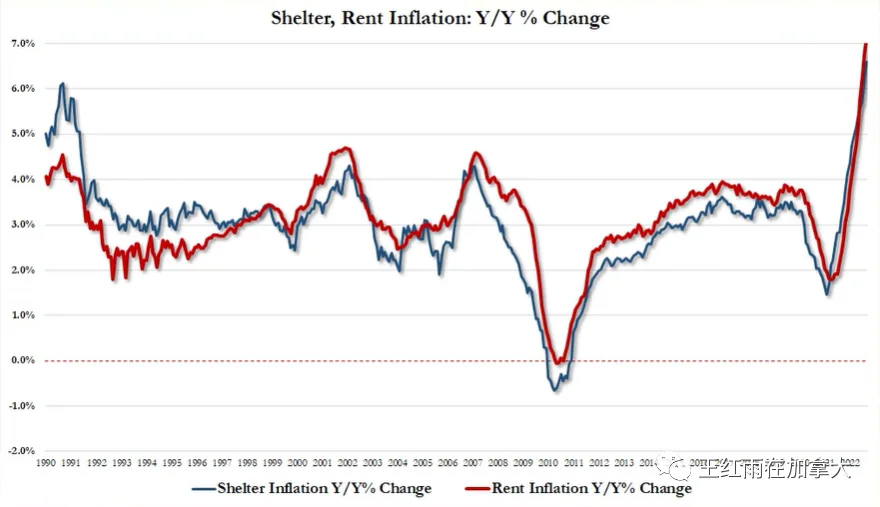
Inflation and interest rates will remain high for some time.Real estate investors should not be overly optimistic and take the initiative to increase monthly loan payments. On the contrary, they should stick to low monthly payments to the end., the extra interest paid can be tax deductible, and "persistence is victory" should be regarded as the current real estate investment strategy. It is unlikely that the interest rate hike will be abandoned halfway. If interest rates are cut without inflation being suppressed, the value of the currency will be seriously inflated, which will not be beneficial to every family. The current interest rates are similar to those in 2007. Real estate investors should regard the past 15 years as a reincarnation. How can a mature real estate investor not experience the test of interest rate increases?
04 Chaos during the period of rising interest rates
In the storm of interest rate hikes, we need to sum up our experiences and lessons as we move forward. This will be of great help to those of us who are about to embark on the road of real estate investment, and those of us who are currently on the road of investment.
Since the interest rate hike on March 2, the biggest problem exposed is that many people still regard real estate investment as an opportunity rather than a path to self-realization. After I posted a video in April, I saw a comment saying that I was disappointed with my views because I was still encouraging the purchase of investment properties and continued to buy and buy. I believe there were many people who had this view at the time. In the eyes of opportunists, if housing prices fall, the house is no longer worth investing in. I should advise everyone to wait and see when housing prices fall. Opportunists are a group of people who have 200,000 to 300,000 in cash and are looking for investment opportunities everywhere. Only when they see an asset is appreciating can they dare to put the little money they have into it. Opportunists, in the process of constantly entering and exiting various asset markets that fluctuate up and down, often lose their principal but never learn lessons. They believe in the momentum theory and believe that what is rising is good. I think this is a sign of insecurity and a speculative mentality. When house prices fall and you can get a loan to buy a property, it is the best time to invest. On the contrary, when speculators flood in and there is fierce competition to buy a property, the cost of investment is even higher. Speculators in the real estate market are constantly coming in and out, exacerbating price volatility. Their emotions are actually a barometer of real estate investment. You should enter the market when these opportunists are pessimistic, and seize the opportunity to write the property in your name when they leave the market or even sell the property. Instead of being influenced by these people on the contrary, adopt the same wait-and-see attitude as them. Most opportunists are incapable of taking action and will wait and see even if housing prices rise. A small number of speculators who had the power to take action hurriedly entered the market by taking extraordinary measures to obtain loans when house prices rose. However, they were doubly trapped in this interest rate hike, by house prices and interest rates. Opportunists who only talk but don't take action are the ones who run the house prices, because no one can gain real estate wealth by watching the real estate market.Firm real estate investors have faith. They believe in buying, buying, buying, believing that real estate investment can balance their lifetime income, believing that temporary price fluctuations are the best time to enter the market, and believing that self-growth requires going through ups and downs.
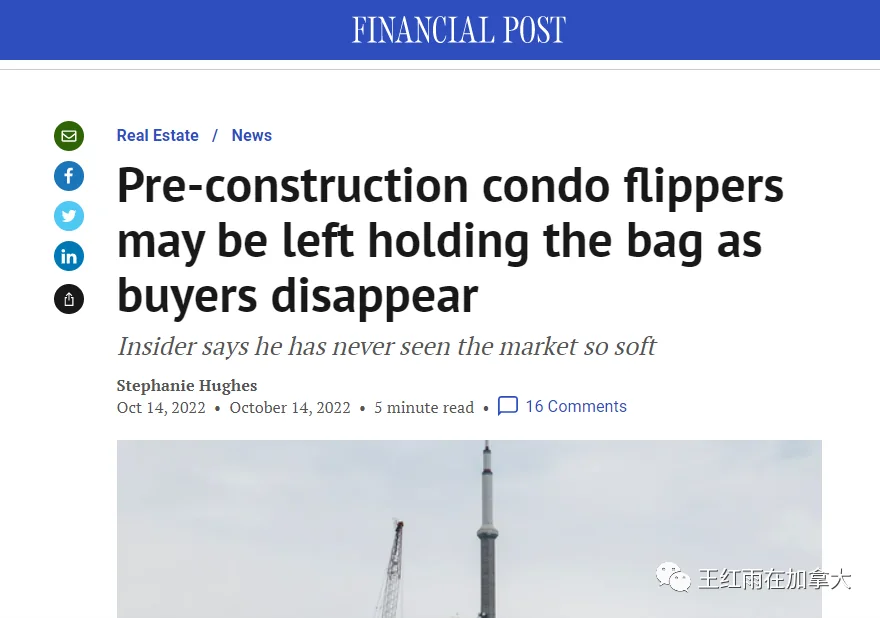
The second breathtaking sight we saw after the interest rate hike was that it was often real estate practitioners who spoke ill of real estate. Some real estate practitioners are deeply pessimistic about their income, so they bring this emotion into their judgment of market trends. While urging the buyer to wait, he urged the seller to take action quickly, piercing his shield hard with his own spear, attracting the attention of a large number of passers-by. In this atmosphere, real estate agents who persuade people to buy houses become treasonous. Most real estate practitioners do not have multiple investment properties, and their understanding of real estate investment is only based on watching other people buy and invest in properties. Since the relationship between their income and real estate transaction volume is procyclical, when the transaction volume drops, it will make them uneasy, shrink, and cry wolf, but it is their wolf, not the wolf of real estate investors. Look at the predictions made by these people: after the interest rate hike, house prices plummeted by 30%; when the interest rate reaches the trigger rate, some people will sell their properties as if they are running for their lives; there will be a large number of bank auction properties... and so on. The U.S. subprime mortgage crisis was the largest real estate bubble burst in the past 20 years. Housing prices dropped by a total of 32% from the high point in 2006 to the trough in 2009. It is very difficult for housing prices to drop by 30%. Those who frequently predict that housing prices will drop by 30% have neither professional experience nor common sense in life. When house prices fall by 20%, there will be very strong resistance, because some people cannot repay their loans after selling their houses, so they cannot transfer the property rights. This is why when we see house prices drop by 20%, sales volume has fallen to the bottom, and house prices have stabilized. The idea that triggering interest rates can trigger real estate sales is completely based on a lack of understanding of bank loan products. Some practitioners even forget their essential job, know your customer. Without understanding their customers, they jump to conclusions and "wait a little longer." Taking the Greater Toronto GTA as an example, everyone's borrowing ability has dropped by 17% since the interest rate hike, while condo prices have only dropped by 9.8%.This "wait and wait" advice has caused many buyers to lose the opportunity to buy a home and need to save more for a down payment before they can get back into the market. The person who advised people to "wait a little longer" became a conscientious real estate agent and a gifted moral performing artist. Don’t take it for granted that real estate practitioners, who are front-line workers, have the ability to understand the market. Real estate investors need to judge the timing and geographical area of buying and selling by themselves, and leave the completion of the transaction to real estate agents, instead of asking real estate agents for buying and selling opinions, let alone investment advice, unless you are particularly sure that your real estate agent also owns multiple investment properties and obtained loans from banks. Only these real estate agents are fellow travelers of real estate investors. Don’t expect too much from real estate professionals. Many people do not have the conditions to get a loan to buy a house at high interest rates, but they are afraid that others will buy a house first and leave themselves too far behind. People who clamor on social media all day long to wait before buying a house may be loud, but it is out of fear and jealousy. Who would really shout out their desire to buy a house on social media?

The above two prominent chaos also appeared in 2018, and there is nothing special about the 2022 version. I recorded these situations in words so that the memory of the Internet can always remind us: when the noise is loudest, the investment opportunities are also the best. Just like when we look back, 2018 was the best investment time in the past five years. It doesn’t matter what kind of property you buy or where you buy it, as long as you buy it at that time. What’s more important is to have your own beliefs in real estate investment and don’t be led astray. The more difficult and uncertain the situation is, and the more people claim to “wait a little longer,” the more courageous it is to move forward. If news and opinions are in line with the tastes of disadvantaged groups, they will be spread quickly, and a consensus will soon be formed to form public opinion. Therefore, in many cases, the views that are generally accepted for a certain period of time only represent the thoughts and opinions of disadvantaged groups. Professor Zou Zhendong of Xiamen University wrote a book "Weak Communication", which explains this phenomenon: viewpoints that seem to be generally accepted are actually just viewpoints accepted by disadvantaged groups, while others remain silent.
Conclusion:
Interest rates are now where they were in 2007, and real estate investors can view this as a 15-year cycle. Over the past 15 years, interest rates have risen and fallen several times, and Canadian housing prices have tripled. It is said in the Tao Te Ching that if the rain does not last all day long, the heaven and earth will not be able to last, let alone human beings? Will such a drastic rate hike last? The current intensity and speed of interest rate hikes are unsustainable. Real estate investors only need to maintain continuous supply, and they will win.
Real estate investors must have their own beliefs and reject noise from the inside out. The following 10 real estate investment beliefs I have seen from many real estate investors can be compared.
1. In order to balance lifetime income, therefore, pursue negative cash flow
2. In order to combat currency depreciation, increase or decrease interest rates, buy them
3. Let more people understand real estate investment. The more landlords there are, the higher the house prices will be.
4. Buy early and use time to make money instead of timing. People who are looking for opportunities everywhere just don’t have enough time.
5. Buy, buy, buy until you reach the limit of your ability, because real estate is the opportunity cost ceiling.
6. Real estate investment has nothing to do with changes in housing prices. It is not that when housing prices fall, it is not worth investing in. On the contrary, when housing prices rise, there are many speculators, which increases investment costs.
7. When you have the ability to invest, you must repeatedly cross the hurdles, not be disturbed by envious and jealous public opinion, and write as many of Canada's most valuable assets in your name as possible
8. Parents are their children’s best financial teachers. They provide a down payment on the first day their children receive their salary, allowing their children to become the next generation of real estate investors.
9. Real estate is anti-inflation and is the bank’s favorite collateral. It doesn’t matter which house it is, the most important thing is to borrow early, buy early and buy more.
10. Only buy second-hand houses, not off-the-plan properties.

My personal opinion on the trend of the real estate market in the remaining two months of this year and next year is:
1. The current transaction volume has dropped to the lowest level in 20 years, even more depressed than during the subprime mortgage crisis. During the subprime mortgage crisis, banks introduced policies to stimulate real estate transactions. I expect banks to relax the repayment period for first-time homebuyers, for example, setting a maximum loan term of 35 or even 40 years to break the current market deadlock.
2. The world is experiencing the trend of “common prosperity”, and regulatory authorities may limit the number of mortgage loans a person can obtain.
3. The OFSI banking supervisory authority will re-examine the stress test interest rate every December. The latest stress test policy will be announced on December 15 this year. My prediction is that the stress test level will not be relaxed or lowered, and the market will continue to screen people who have the ability to obtain loans.
4. The stress test interest rate will be stable at around 7.5% for a long time, maybe 4-6 months.
5. Sales of new homes off the plan will slow down significantly, and transfers of off-the-plan properties will continue to be the hardest hit area. The current valuation of second-hand homes is gradually accepted by buyers. People's "subconscious" desire for real estate will be stimulated into the "conscious" at a certain trigger point, and the pent-up demand in the past seven months will explode.
The above five predictions are purely subjective, and it is possible to be lucky enough to hit one or two.
This summary of real estate investment beliefs has passed the test of time. Let’s find resonance and shortcomings by ourselves.
I believe that no multi-property real estate investor has reached where he is today by luck. He has walked through the ammunition depot holding a torch and walking on thin ice. Thunder, rain, and dew are all gifts from heaven; encountering demons and Buddhas are all transformations. Low interest rates are opportunities, and interest rate increases are tests. They are all inevitable experiences on the road to learning in real estate investment. At a time when interest rates are in full swing, I found that some families who had never bought investment properties but had strong borrowing capacity were waking up. What’s past is prologue. - Shakespeare. It’s never too late to start investing in real estate, and the next 15-year cycle has just begun. The chicken feathers on the ground are easily blown up by the strong wind; when the wind stops, the chicken feathers fall to the ground one after another. The anti-intellectual rhetoric of "wait a little longer" is fading out of sight. The simple real estate investment strategy of sticking to buy, buy, buy is returning to center stage. I wish all readers more and more properties in their names.