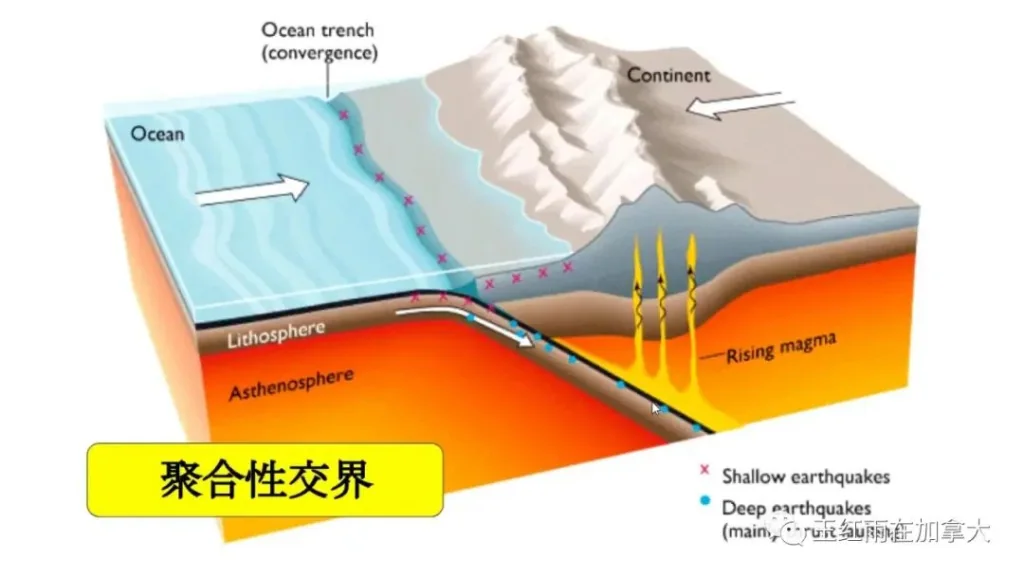
After the epidemic, the economic environment has changed a lot. Everything from the global supply chain to people's choice to live in the city center or suburbs is different from before the epidemic; from the low interest rates and rapid increase in debt during the epidemic, to the inflation and sharp interest rate hikes after the epidemic, we have personally felt the huge changes in life; from the news of bank failures and layoffs of technology companies, to the fact that surrounding housing prices are rapidly reversing in a V-shape, many people are switching their attention back and forth between various "thoughts" and are dizzying.After the epidemic, economic uncertainty has become greater, which is obvious to all.If you want to know where the next volcano will erupt, the best way is to understand the changes in the earth's crust, rather than watching and analyzing volcanoes that have already erupted.
Steve, the former governor of the Bank of Canada, published a new book "The Next Age of Uncertainty" at the end of last year, analyzing the five unstable sectors of the Canadian economy and which four volcanoes may easily erupt due to collisions with each other. This book is very different from the memoirs of other central bankers I have read. The author does not review his achievements, but uses 90% of the text to help Canadians analyze the challenges they will face in the future and provide suggestions for dealing with them. I highly recommend everyone to read this forward-looking and very Canadian book. Judging from what happened after the epidemic, this book is highly practical and can help Canadians decipher the underlying causes of various unexpected economic events. This article will introduce you to the basic content of this book, as well as some of my own thoughts after reading it.
01 Five major factors affecting Canada’s economic uncertainty
Steve believes that there are five slow variables that affect the Canadian economy. These five factors are very active after the epidemic, and their collision will bring about unexpected emergencies. He compared these five factors to the five tectonic plates of the economy, namely population aging, technological progress, income inequality, debt burden, and climate change.
aging population
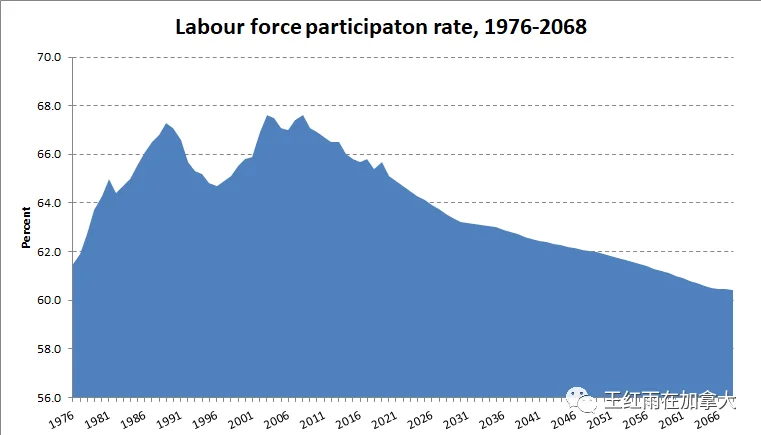
Canada’s baby boom lasted from 1946 to 1964. This group entered working age in 1960, reached its peak employment in the early 1980s, and exited the labor force from 2010 to 2030. Currently, people born before 1958 are withdrawing from the labor force and becoming retirees. In the next seven years, 2023 to 2030 will be the peak of retirement. As the baby boomer generation exits the labor market, Canada's net labor force growth has dropped to zero in 2020. Economic growth depends on two factors: working population and labor productivity. A shrinking workforce means the future won’t be as strong as it has been over the past 50 years. The fastest growth in the labor force was in the 1960s, with annual growth of about 2%. Now it has dropped to 1%. It will further drop to 0.5% by 2050, and population growth will approach 0 by 2100.The economic growth rate determines the real interest rate. If the economic growth rate is1%, the real interest rate is 1%, if inflation is 2%, the nominal interest rate is 3%.When economic growth falls, real interest rates fall. Interest rates are a display of the balanced relationship between depositors and borrowers. If there are more depositors and fewer borrowers, the real interest rate will fall. Aging leads to an increase in depositors. Economic stagnation caused by inflation will cause borrowers to borrow less, confirming the trend of lower interest rates.
technological progress
Technological progress can improve labor productivity and improve the quality of life. Every technological leap will trigger social unrest: the first industrial revolution led to the "Victorian Great Recession" of 1873-1896, the second industrial revolution led to the Great Depression of 1930, and the third industrial revolution in 1980 did not cause the Great Depression due to macroeconomic control. The symbol of the first industrial revolution was the emergence of the steam engine. From the end of the 18th century to the end of the 19th century, it was a leap from the agricultural economy to the industrial economy, and a transition from a family-style all-round economy to an economic system of division of labor and exchange. Money, as a medium of exchange, became the protagonist of the economy, and productivity increased by leaps and bounds. Far more new jobs are created than are replaced. As productivity increased significantly, prices fell, deflation was severe, and the debt burden increased, especially for farmers and ranchers, which led to the Victorian recession from 1873 to 1896. The second industrial revolution was marked by the widespread use of electricity, which appeared in the early 20th century. The gap between the rich and the poor widened rapidly. World War I broke out in 1914, the Spanish flu pandemic in 1918, followed by the Roaring 20s, and then the Great Depression. The Bank of Canada was born in 1935. During the Second World War from 1939 to 1945, Keynesianism prevailed after the war, and the era of macroeconomic regulation began. The third industrial revolution was the computer and information technology revolution, which lasted from 1976 to 1990 and greatly improved industrial automation. Since the 1990s, global central banks have shifted to an inflation targeting system. Monetary policy has been to synchronize currency issuance with economic development. There has been no large-scale unemployment or economic recession, and the impact of the bursting of the technology bubble has been limited. The fourth industrial revolution is now, machine learning, artificial intelligence, biotechnology. The effect of creative destruction is still not obvious, and the rate of productivity improvement is not fast. The leapfrog increase in productivity caused by technological progress will bring about the following problems: structural unemployment, economic recession, financial crisis, deflation, and income polarization.
Income inequality increases
Inequality is an economic consequence and a topic of great political interest. The economy is important to people, and people have the right to vote, which forms "political economy." Technological progress and globalization are the main reasons for accelerating income polarization. Those who master new technologies have higher incomes, while those who are eliminated by new technologies have significantly lower incomes. The incomes of those who have benefited from globalization have increased significantly, while the incomes of those who have suffered losses from globalization have decreased significantly. The epidemic and the war between China and Ukraine have led to intensified political divisions, disruption and reorganization of global supply chains, from "outsourcing" to "reshoring", directly affecting the balance of supply and demand, as well as the readjustment of the division of labor. Labor-intensive work is done in low-income countries, while capital-intensive work is done in high-income countries. This is a characteristic of globalization. The globalization situation formed before the epidemic is being reorganized, and prices will rise across the board as a result, offsetting the impact of price declines brought about by technological progress. The return of manufacturing to developed countries has resulted in labor shortages. The supply of workers in low-income positions exceeds demand. The labor market is tight and wages are rising, driving inflation. However, income inequality has been alleviated to a certain extent.
Rising debt levels
Every economic or social crisis leads to the easing of monetary policy. With low interest rates, it is easier for people to borrow money for consumption or to purchase assets, so the debt of households and businesses accumulates. An economic crisis or downturn will also prompt the government to implement loose fiscal policies, which will lead to the Canadian government's debt pile and fiscal deficit. The positive effect of macroeconomic policies is to adjust the economy counter-cyclically, but the side effect is to create a large amount of debt that is difficult to digest during the period of low interest rates and accumulates more and more. Countries that are said to be overly indebted typically have net assets exceeding 400% of disposable income.Countries with high housing prices have high household debt, and high housing prices correspond to high debt.Not even clear before retirement. In 2013, 70 per cent of Canadians over the age of 65 were debt-free; today, only 57 per cent have paid off all their debt. In countries such as Denmark, Norway, Switzerland, Australia, and the Netherlands, the debt-to-income ratio exceeds 200%; in countries such as Canada, the United Kingdom, Sweden, and South Korea, the debt-to-income ratio exceeds 150%; in the United States and Japan, the debt-to-income ratio exceeds 100%. The accumulated balance of debt affects the sensitivity to interest rate changes, but no matter how high the interest rate is, it will be difficult to clear all bad debts.Household debt is most afraid of unemployment; corporate debt is most afraid of economic recession; government debt is most afraid of economic growth being lower than the interest rate on national debt.When the economic growth rate exceeds the interest rate on government bonds, the government debt balance will gradually decrease.
climate change
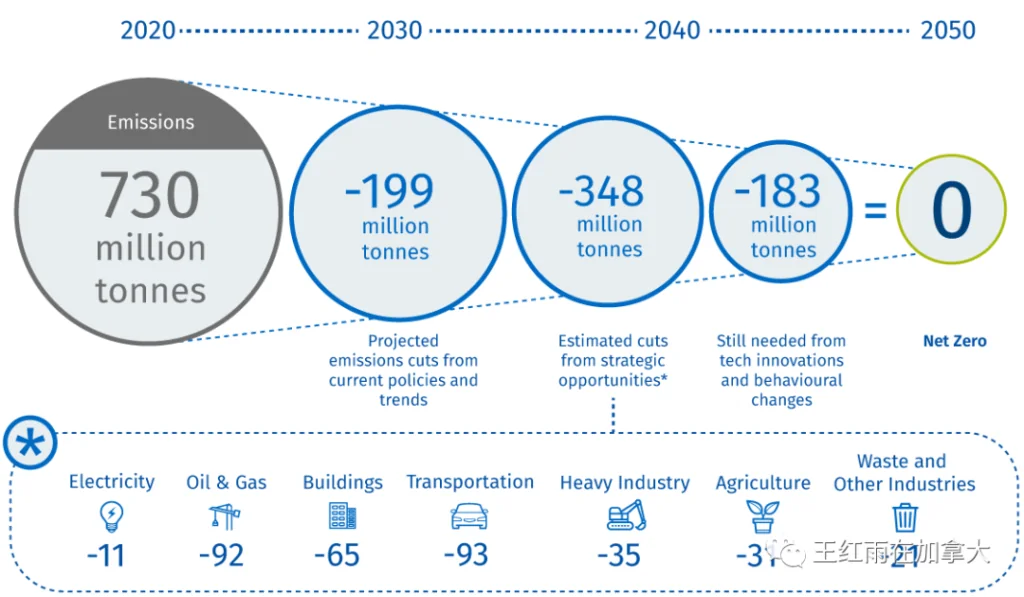
The improvement of the quality of life means the increase of energy demand. Environmental problems are a typical "market failure" or "tragedy of the commons", leading to negative externalities. There are 24 countries around the world that have implemented carbon taxes to achieve carbon neutrality goals, including Canada. Changes in environmental protection regulations and the imposition of carbon taxes will have an impact on business operations and, at the same time, increase consumers' tax expenditures. Canada will require companies to disclose carbon emission levels to banks and adjust interest rates based on carbon emissions, making companies with large carbon emissions uncompetitive. All environmental policies are determined by the respective national governments. Carbon neutrality is a politically determined economic project, and it is the most important area where political games dominate economic policy. The carbon tax issue in Canada will lead to a highly unstable economic environment, increased economic costs, reduced corporate competitiveness, and more serious polarization of political games. The outcome of political struggles determines the losers and winners in the economy, not the market that determines the survival of the fittest.
Five major sections of interaction
The epidemic has stimulated the activity of five uncertain factors, and the interaction of the five activity sectors has brought greater uncertainty to the future of Canadians. The macroeconomy is not a smoothly running machine, nor does it have strict scientific guidance, allowing the five major sectors to collide freely. This uncertainty belongs to "Knightian Uncertainty", where one does not know whether one will win or lose, let alone how much one will win or lose.Increased uncertainty means: more frequent economic ups and downs, large swings in unemployment, greater volatility in inflation and interest rates, and volatility in stock prices and house prices. Investors will have more difficulty making choices and will be unable to bear the consequences of wrong decisions.
02 The four economic sectors most prone to volcanic eruptions
Stephen believes that the uncertainty of the above-mentioned economic sectors and the collision between various sectors can easily cause volcanic eruptions in terms of inflation, employment, taxation and housing, and have a negative impact on the lives of Canadians.
inflation
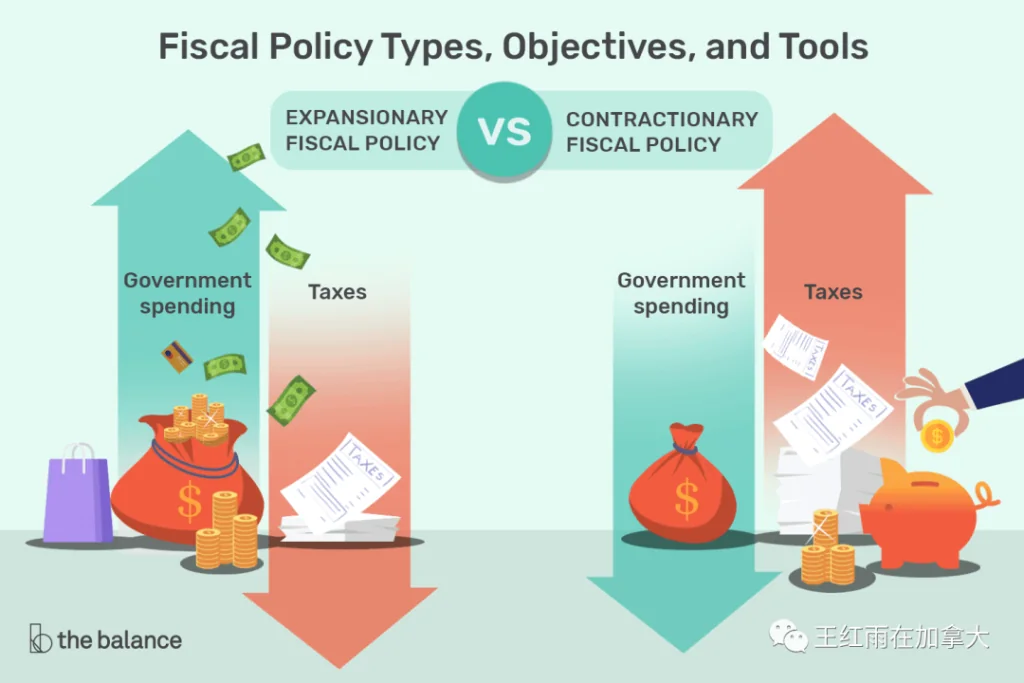
Inflation is a negative economic phenomenon caused by excessive government spending and excessive currency chasing limited goods.Excessive government borrowing often causes inflation. Germany in the 1920s, the United States with excessive military spending in the 1960s and 1970s, Argentina in the 1980s, and the United States and Canada since the epidemic. The cause of inflation is political pressure, so fiscal policy is the driving force behind inflation, while monetary policy does not cause inflation. Instead, monetary policy is the only means to curb inflation. There is no upper limit for the central bank to raise interest rates, so there are ways to curb inflation. There is a lower limit to interest rate cuts, so it is difficult to control deflation. The financial crisis caused by the subprime mortgage crisis was rescued by the central bank printing money, which will not cause inflation. Only when the central bank prints money and the government issues money at the same time can inflation be triggered. This "two-pronged approach" is called "modern monetary theory." During the epidemic period, it was called "Bidenomics" in the United States and "Justin inflation" in Canada. Every family experiences inflation differently. If the prices of goods that cost more are increased, they will feel greater inflationary pressure. A drop in commodity prices usually goes unnoticed, but is very sensitive to price increases. Inflation is a gift to indebted households. Debt shrinks and house prices skyrocket. From 1970 to 1980, housing prices in Toronto increased by 150%; loan households used devalued currency to repay their debts. The purchasing power of currency in 1970 was twice that of 1980. After inflation occurred, homeowners became rich. After inflation, the government debt burden is significantly reduced. From 1970 to 1980, Canada saw a massive transfer of wealth from investors to the government and indebted households. Technological progress usually brings deflation, while deglobalization will increase inflation. Generally speaking, because the Canadian government cannot control its own spending and needs to buy votes, inflation in Canada will continue to reoccur.
employment
Economic recession has the greatest impact on employment.The recessions of 1974, 1981, 1991, 1998, 2008, and 2020 all caused increases in unemployment. The rising minimum wage has replaced union organizations, making it difficult for young people preparing to enter the job market to get to the first level. Technological progress means winner-take-all and creative destruction. The income of some people will be greatly increased, while the income of others will be reduced to part-time jobs or unemployment. Technological progress is the driving force behind the K-shaped development of society. By 2025, 85 million workers' jobs will be replaced by machines, and 97 million new jobs will be created. People who have been eliminated from their original jobs will find it difficult to be qualified for the newly created jobs. People will experience frequent unemployment, the natural unemployment rate will rise, people will spend more time looking for jobs and adapting to new jobs, make more conservative decisions about buying a home and taking on debt, and become more conservative in financial spending. The complexity of the employment situation will push Canada to maintain an open immigration policy and significantly increase government employment security expenditures.
tax
In every crisis, monetary policy is first exhausted, interest rates are reduced to the lowest level, and then monetary easing is adopted. This is followed by loose fiscal policy. The government solves the current crisis by overdrafting the future, leading to high government debt. The Canadian government's largest expenditures are structural expenditures, including health care spending, pensions, and assistance for vulnerable groups. The proportion of medical expenditure in government expenditure has gradually increased. In the 1970s, 7% of national income was used to pay for medical expenses, and now it has reached 12%. The elderly account for only 20% of the population, but account for 44% of national transfer payments. Sustained low interest rates reduce pension benefits and make pension payments increasingly difficult. During the epidemic, the government has used up all its remaining resources, so it needs to increase taxes to make up for the shortfall. Raising taxes will drain water from the economic pool and slow down economic growth. Raising income taxes will discourage work. Corporate taxes are very uniform around the world. If a country increases corporate taxes, it will cause corporate headquarters to relocate to other countries, so it is difficult to increase corporate taxes. Consumption tax is a regressive tax. The lower the income, the higher the tax rate. Therefore, when the consumption tax is increased, tax refunds need to be given to low-income families. The cost of tax collection is very high. New Zealand mainly uses consumption tax and income tax as a supplement. Canada uses income tax as the main method and consumption tax as a supplement. While a consumption tax makes more sense than an income tax, any tax reform would be difficult in Canada's political environment. Basic living income, universal basic income, is very popular in Canada. It can save money on tax refunds, but it will nourish lazy people and idle people.
housing
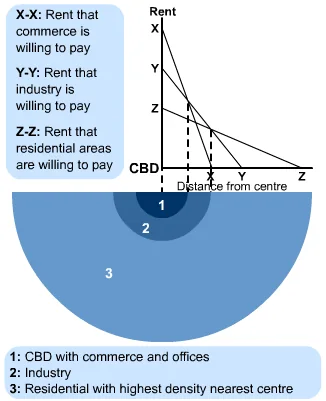
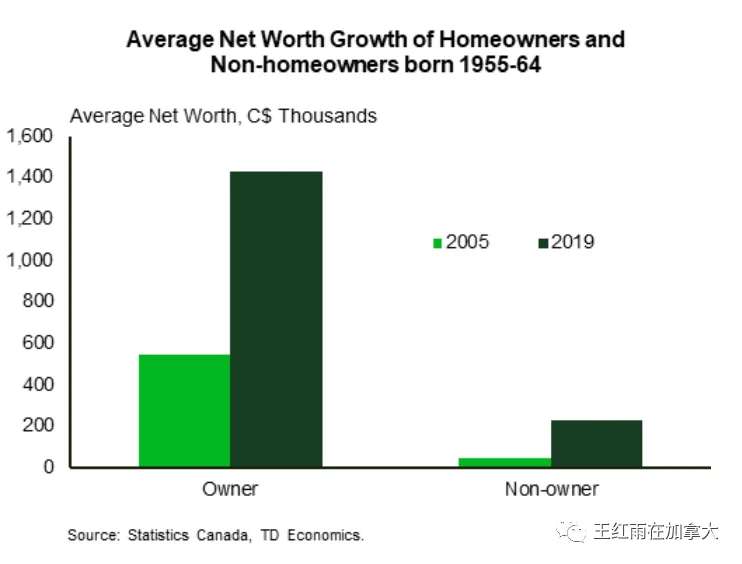
In the book, Steve describes how his father "managed money": his financial plan was simple: maximize exposure to real estate and accumulate just enough savings to supplement the government pensions that could come their way. The baby boomers witnessed the effectiveness of this financial plan, that is, Home ownership is a cornerstone. Developed countries with home ownership rates between 60-70% include the United States, Japan, the United Kingdom, France, Italy, Mexico, South Korea, Australia, and Canada. The homeownership rate in Switzerland and Germany is 40%. Countries with higher home ownership rates and higher housing prices have greater resident debt.The reason for the stable development of the Canadian real estate market is that the ratio of monthly loan payments to income has remained unchanged for a long time, thanks to the persistence of the Canadian banking industry.Therefore, the constraint on buying a home is the ratio of monthly payment to income, not total debt. Households that exceed a certain monthly payment-to-income ratio may be permanently priced out of the market. The basis for pricing house prices is the discounted future use value, that is, the house price is equal to the rent in the future years divided by the interest rate,Housing prices are the result of capitalization of rent. The higher the rent, the lower the interest rate, and the higher the housing prices. Canada's immigration policy will continue to push up rents, so although housing prices continue to fluctuate with interest rates, the general direction is consistent with the development direction of rents.Usually, the distance from the city center determines the rent, which we call the Rent curve. The epidemic has caused significant changes in the rent curve, which many people believe are permanent changes. Working from home is a major change brought about by the epidemic, which has made suburban real estate popular. However, the housing price bubble in some suburbs is too large and will be corrected repeatedly. Therefore, housing price fluctuations have become more severe and frequent after the epidemic, and people are wavering between the city center and the suburbs. During the epidemic, rents for rental properties have been too low, especially in city centers, which has distorted the market value of many properties. Properties with tenants and low rents are currently difficult to sell on the market, which is also confusing people's assessment of the value of city center properties. People think that rising house prices are normal and falling is abnormal, so they are deeply impressed by the falling house prices. When house prices fall, some people will have the illusion that house prices will fall within their purchasing power.Greater uncertainty in the future will make it increasingly difficult for tenants to make the decision to buy a house, and risks such as real estate, interest rates, and employment will be concentrated on landlords.The ability to own a property depends on the ability to bear risks. For example, if the owner encounters high interest rates when renewing the lease, whether the owner can handle it calmly, the owner suddenly loses his job, how to repay the loan, and other challenges. The aging trend will restrain interest rate increases, and at the same time, the requirement to supplement the labor force will prompt more aggressive immigration policies. These two forces will drive rents and housing prices to continue to rise. Rent and mortgage interest are the true costs of housing, and are paid either to the landlord or the bank. Canada's tax system is more favorable to homeowners, and based on after-tax expenditures, buying a home is less expensive than renting. Tenants and homeowners face two completely different financial solutions. One is to rent a house and accumulate enough financial assets, and the other is to accumulate enough houses. As the population ages, interest rates will remain low over the long term, favoring homeowners taking on more debt. The total assets of Canadian households are approximately 14 trillion, with debts of 2 trillion and net assets of 12 trillion; real estate wealth is 6 trillion, loan balances are 1.5 trillion, and per capita net real estate wealth is 125,000. Families without real estate have no foundation of wealth in Canada, and it is difficult to build a personal wealth building.
Steve’s words of wisdom:
The value order of Canadians: 1. Family first, 2. Work hard and achieve proud results, 3. Team spirit and community spirit, 4. Kindness and care, 5. Go high.
Economy is like air to people and water to fish.
The greater the uncertainty, the greater the pressure to make a decision.
Predictions are experts’ guesses.
Crisis is an extreme phenomenon of instability and volatility, and economic phenomena are usually consecutive events between stability and crisis. Crises do not happen often, but instability and volatility are the normal state of the economy, while stability is temporary and short-lived.
Greater uncertainty in the future requires people to wear seat belts at all times.
The "home" of the central bank's policy is an unemployment rate of 5%-6% and an inflation rate of 1-3%. Policy adjustments are always in the direction of "home".
Everyone is a driver on a long journey, with a goal in mind, constantly observing the environment, checking blind spots, controlling speed, avoiding obstacles and risks, and not deviating from the direction and stagnation due to the temptation of the beautiful scenery in front of him.
The Bank of Canada has no statutory independence, only operational independence.
03 Cope with greater uncertainty with more efficient investment
The above is the summary and my understanding of "The Next Age of Uncertainty". I suggest you read it and don’t just read it based on my review.
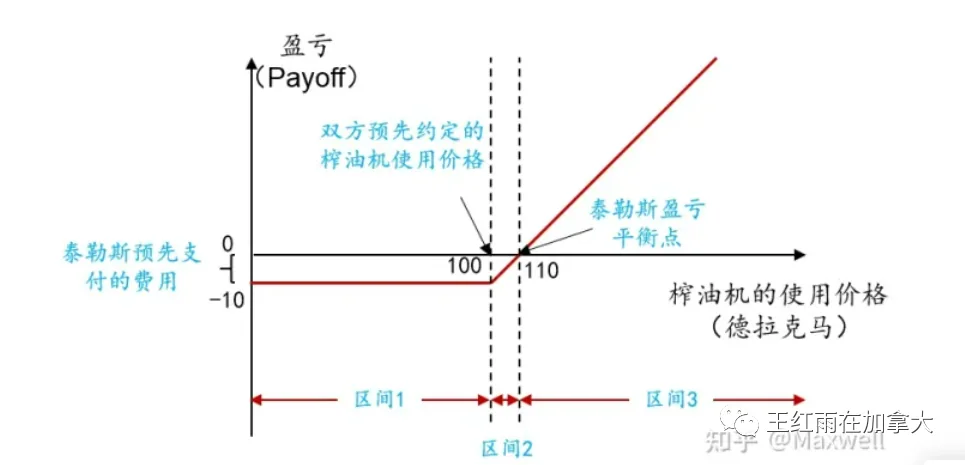
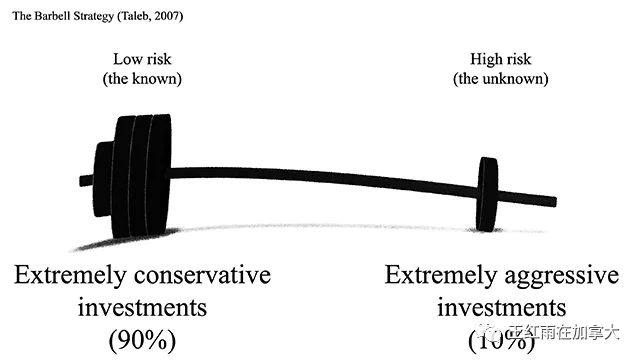
In terms of investment,Steve recommends that investors learn from Taleb’s recommended “barbell investing method”, that is,90% of the funds are invested in assets with high return certainty and little impact from uncertainty, and 10% of the funds are invested in assets that can obtain huge returns when uncertain events occur, but are very risky.When Taleb introduced this investment method in his book, he emphasized that it is tepid and do not invest a penny in half-assed assets. He adopts a concentrated investment method and only invests in two types of assets. 90% is invested in index funds similar to ETFs, and 10% of the funds are used to buy in-the-money options. "Buying in-the-money options" sounds like a very high-end option, but it actually has a history of thousands of years. Aristotle included a story about Thales, a senior philosopher, making money in his Politics. Thales booked the lease of 1,000 oil presses for next year at a price of 10 drachmas per oil press. The lease price was 100 yuan. In the second year, there was a bumper harvest of olive oil, and the price of oil presses soared. The rental price of each oil press was 150 yuan. Thales sold the lease, with a gross profit of 50 yuan per machine and a cost of 10 yuan. The net profit per machine was 40 yuan. 1,000 machines was equivalent to 40,000 yuan. Aristotle told this story astray, because he believed that Thales had the ability to observe the sky at night and could predict the olive harvest the next year. Taleb believes that this is the earliest application of options. People who do not understand astronomy can also play this game, because if the olive harvest fails in the second year, the rent of the oil press is only 90 yuan, and Thales's loss if he does not exercise the option is only 10,000 yuan. In this option transaction, Thales is Party A and buys an in-the-money option and pays the option premium; the oil press lessor is Party B and sells an out-of-the-money option and earns the option premium. In options trading, Party A has limited losses and unlimited profits; Party B has limited profits and unlimited losses. The difficulty in options trading lies in determining the exercise price and pricing the option premium. The option premium is too low and Party B cannot be found; the exercise price is too high and Party A cannot be found. If Party A wants to make a lot of money, it needs to find Party B who is stupid enough. Taleb is an experienced Party A who is constantly looking for prey Party B in the market.At the same time, he also has enough funds and patience to pay the option premium. Think about it, in a rent-to-own real estate transaction, who is Party A and who is Party B. According to Taleb's suggestion, in a rent-to-own real estate transaction, be Party A's tenant, not Party B's landlord. Taleb's advice is good, but valuable options trading is difficult for us mortals to find, and the cost is unbearable. The identities that ordinary people can find in option transactions are usually Party B instead of Party A, such as the role of landlord in rent to own transactions, and the role of buyer in fixed income structure notes.
The generation of Canadians who experienced World War II, the baby boomer generation of Canadians, and those of us who are the first generation of new immigrants,Generation after generation of Canadians, seeing is believing, and the safest investment strategy is to buy a house.Real estate investment in Canada is completely in line with Taleb's advice: a heavy position in extremely stable assets, preferably a 90% ratio. As for the high-risk, high-return 10% of assets, most people do not have the ability to find qualified investment targets. I personally feel that if 90% of household wealth is real estate, the remaining 10% should be focused on liquidity, such as the most liquid stock and bond ETFs, home equity lines, and cash value investment insurance.
How to use more effective investments to face a more uncertain future. My personal suggestions are as follows:Because the low-hanging fruit has already been picked, the sure and abundant fruit can be picked with the help of leverage. If you don’t borrow money, the government will borrow it for you, and the money borrowed by the government may not be spent on you. Uncertainty causes some people to retreat in the face of difficulties, creating a wider gap in wealth between those who rise to the challenge. The roads are rough, but the roads are good for the people. Loans to buy investment properties are the widest and safest real estate investment channels. Any other form of real estate investment is a detour, inefficient and risky. Real estate investment does not require innovation. Many real estate investment clubs are just clubs for people who cannot borrow money. It is increasingly important to be honest with yourself. Investments made by self-deception will end up in vain. Investments left entirely to financial advisors invest in people, not assets, and the results are extremely unreliable. Don't raise funds. Investing is an extremely lonely thing. People who like to hug together for warmth are not suitable for investing. Seeing is believing when it comes to investment results, it’s not something a big shot can predict for you. You need to take the initiative to take off Kong Yiji’s gown.Over the past 10 years, the assets of Canadian Chinese skilled immigrants have grown faster than those of investment immigrants because they take off their gowns faster and can only tighten screws easily if they take off their gowns. There is only one result that you must face after retirement: currency continues to depreciate and the purchasing power of currency continues to decline. In uncertainty, you must have the courage to invest. The less you dare to invest, the greater the wealth gap will be. Uncertainty will not decrease, but will only become more frequent and serious. The only correct investment plan is to advance despite difficulties.
Conclusion:
Facing greater uncertainty in the future, we need to adopt more effective investment strategies.
What is an inefficient investment?1. Investments that cannot balance lifetime income; 2. Investments that lose money when encountering negative events.
What is efficient investment?1. The investment that builds net worth the fastest is the most efficient investment; 2. The investment that will not lose money easily when encountering negative events.
The barbell investment strategy recommended by Taleb has a profound meaning, that is, investments that can preserve their value in unfortunate events account for 90%; assets that make huge profits in unfortunate events account for 10%; and most importantly, except for the above two types of assets, the investment amount is 0.
Every family is different, every period is different, and the intersection of life cycle and asset cycle determines the investment portfolio. Therefore, we cannot find an investment portfolio that is suitable for all families. Investment efficiency depends entirely on the investment goals and life cycle. Households that rent houses mainly have financial assets; households with a net worth of more than 10 million also have mainly financial assets, but the nature is very different. The former is to prepare for buying a house, not to take risks to make money, and maintaining liquidity is the main purpose; the latter is to balance the asset portfolio, and the purpose is to maintain and increase value. In the 30 years between the ages of 30 and 60, I concentrated my investment on real estate, and took full advantage of the bank's policy of allowing loans to buy 10 investment houses. Mortgage borrowing capacity has a time limit, so don’t miss it. People who dare not take out a loan to buy a house have 10,000 reasons to "wait a little longer". Now the interest rates are too high, house prices will continue to fall, negative cash flow, blah blah blah,These excuses are deceiving your future self and have nothing to do with anyone else.. Financial security status: 2 million to 5 million net assets, depending on your level of contentment.
Existence precedes essence, what you do determines who you are, people exist for themselves, and objects exist for themselves; life is absurd, it is impossible for everyone to be satisfied, and everything is half-satisfactory; people are free, provided that they can be responsible for the consequences of their actions. People who cannot be responsible for their actions have no meaning of existence. These are the three principles of existentialism. People are always pursuing the meaning of existence and the meaning of life. Only those who are responsible for themselves will have meaning in life. Regarding money, I would like to give you this famous quote by Simmel: "Money is only a bridge to the ultimate value, and people cannot live on the bridge."
There is a lot to say in this article and the space is limited. I will use the form of video lectures to enrich the content of this article. The video will be broadcast on my personal YouTube channel.
YouTube Channel: Henry Wang
March 30, 2023 in Toronto